The Weekly System, Vol 6: SFB LiquidView Digital Windows
A Window Where the Architecture Didn’t Put One
How architectural integration, time-synchronized scenery and experience-focused design give interior rooms a stronger connection to the world outside
Windows influence more than the amount of light entering a room. They provide depth, movement, a sense of time and a visual connection to something beyond the immediate interior. When a space has no exterior wall, it loses all of those qualities at once.
That makes windowless design more than a decorating problem. The design team must consider how an enclosed room will feel during extended use, whether occupants can perceive the passage of the day and how the space can avoid becoming visually static. A room can be functional, well furnished and carefully finished while still feeling disconnected from its surroundings.
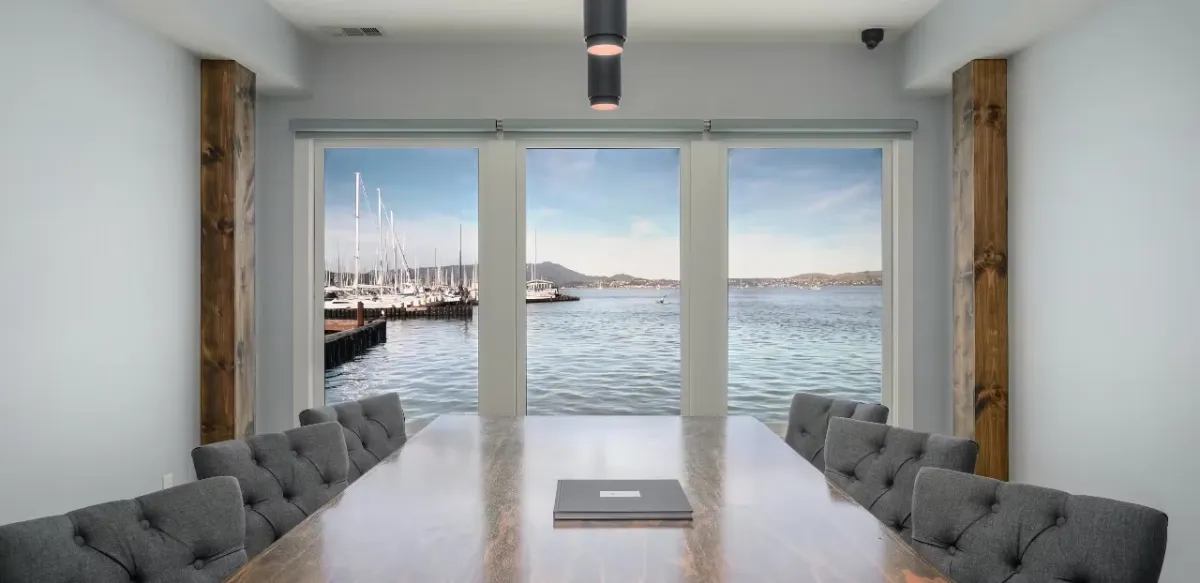
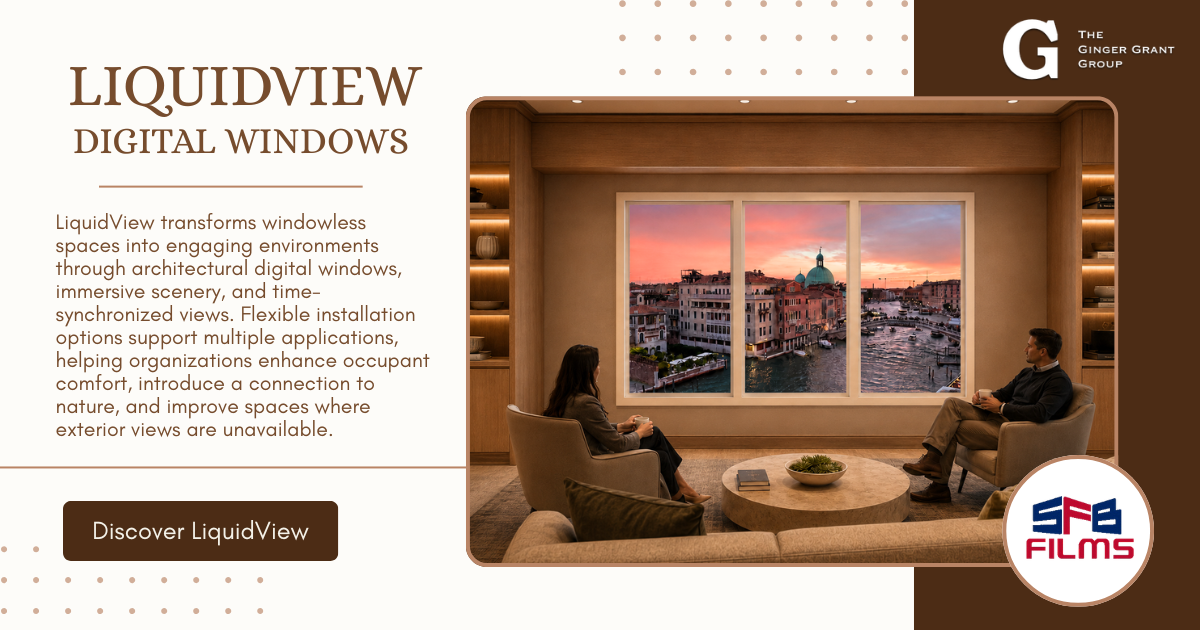
LiquidView Digital Windows are designed around that missing experience. Architectural window configurations display continuously changing outdoor scenes captured over a full day, allowing offices, conference rooms, healthcare environments, hospitality spaces and other interior rooms to gain a view where a conventional exterior window may not be possible.
Interior Rooms Still Need Visual Depth
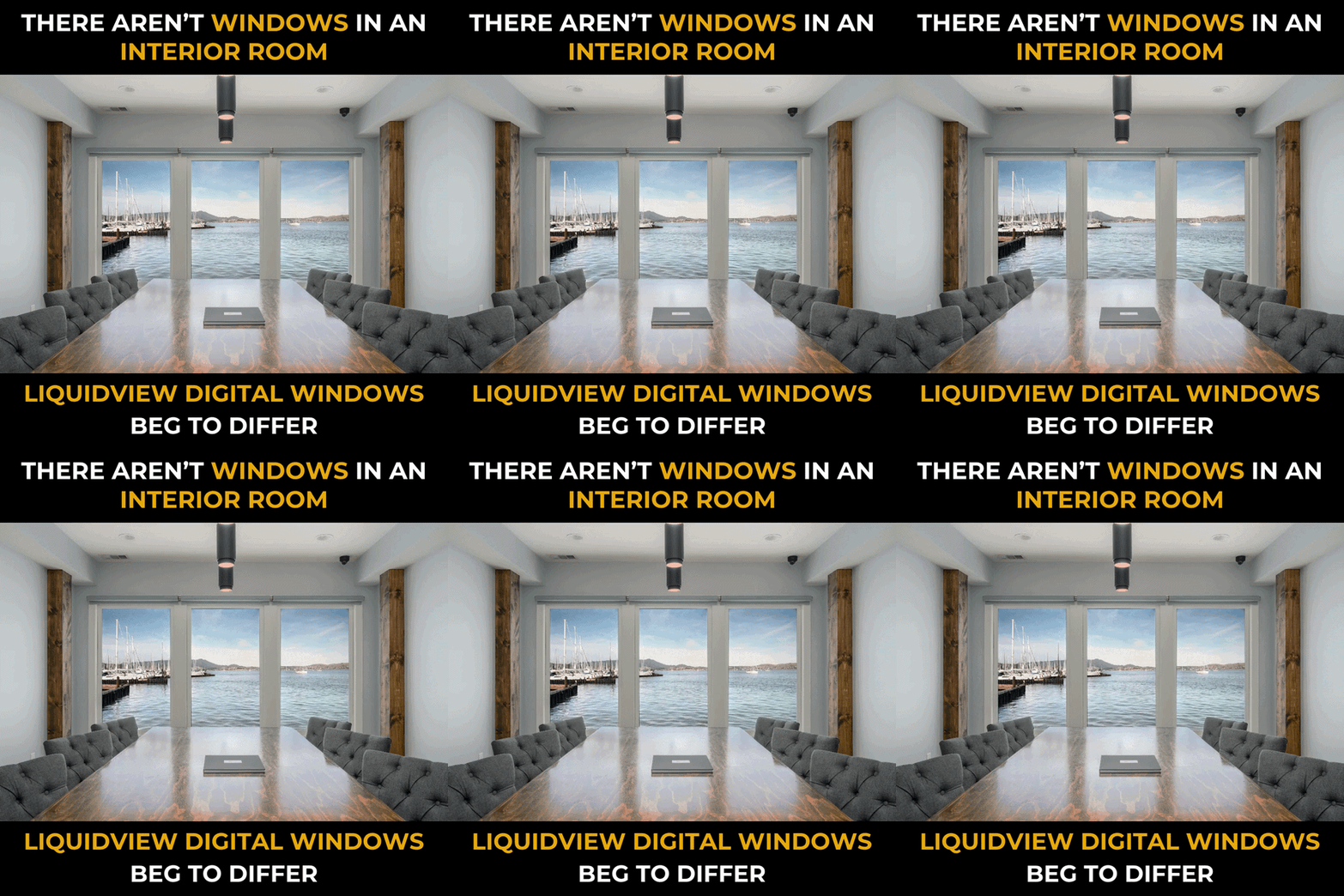
Interior rooms are often created for practical reasons. Conference rooms may need to sit close to workstations. Healthcare spaces may require privacy and controlled adjacencies. Building cores, circulation paths and service areas can push occupied rooms away from the perimeter even when the designer would prefer to give them access to an exterior view.
LiquidView provides another option for those locations. The system can be configured as a single Vista window or as a multi-window Panorama, creating the appearance of an architectural opening rather than placing a conventional television on the wall. Continuous scenery across multiple panels helps reinforce the illusion of looking through adjoining windows toward one unified view.
Installation can also respond to the existing architecture. InWall configurations are recessed into the wall and arrive ready for trim, allowing the finished assembly to coordinate with the surrounding interior. LiquidView specifies approximately 7.5 inches of wall depth for this approach. OnWall configurations use a cleat and bracket system to mount directly to the wall when recessing the display is not practical.
The distinction matters because the effectiveness of a digital window depends on more than image quality. Placement, scale, trim, sill height and the relationship between the window and nearby furniture all influence whether it feels integrated into the room. The goal is not simply to add another screen. It is to design an architectural view that belongs in the space.
A View Should Move With the Day
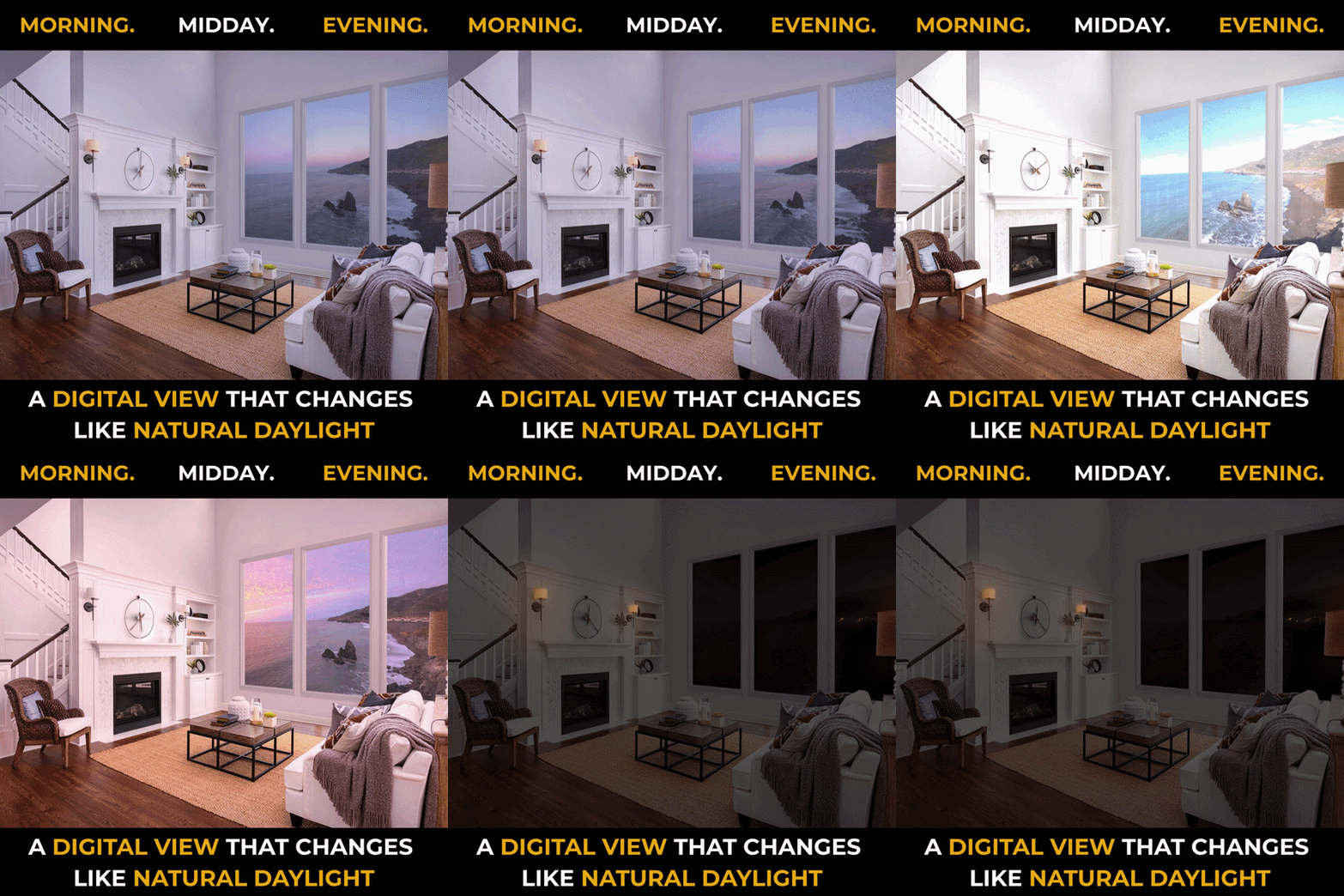
A real outdoor view does not remain unchanged from morning through evening. The colour of the sky shifts, shadows move and the overall atmosphere changes as the day progresses. A digital window that repeats the same brief sequence would quickly become predictable and lose much of the quality that makes an exterior view engaging.
LiquidView scenes are filmed over a 24-hour period in 8K and presented through commercial-grade 4K HDR displays. The system can align sunrise and sunset with local time, allowing the view to progress through the day alongside the people occupying the room. Morning, midday and evening become visible even when the architecture provides no direct view outdoors.
This can be particularly useful in spaces occupied for long periods. An interior office, staff area, treatment room or senior living environment may otherwise provide few visual cues that conditions outside have changed. A scene that evolves gradually introduces movement and a sense of time without demanding the occupant’s attention.
LiquidView does not replace actual daylight or perform the same building functions as an exterior window. It does, however, provide some of the visual information that windowless rooms typically lack. For the specifier, that means considering not only where the digital window will be installed, but how the changing scene will relate to the room’s lighting, finishes and daily pattern of use.
Calm Can Be Part of the Specification
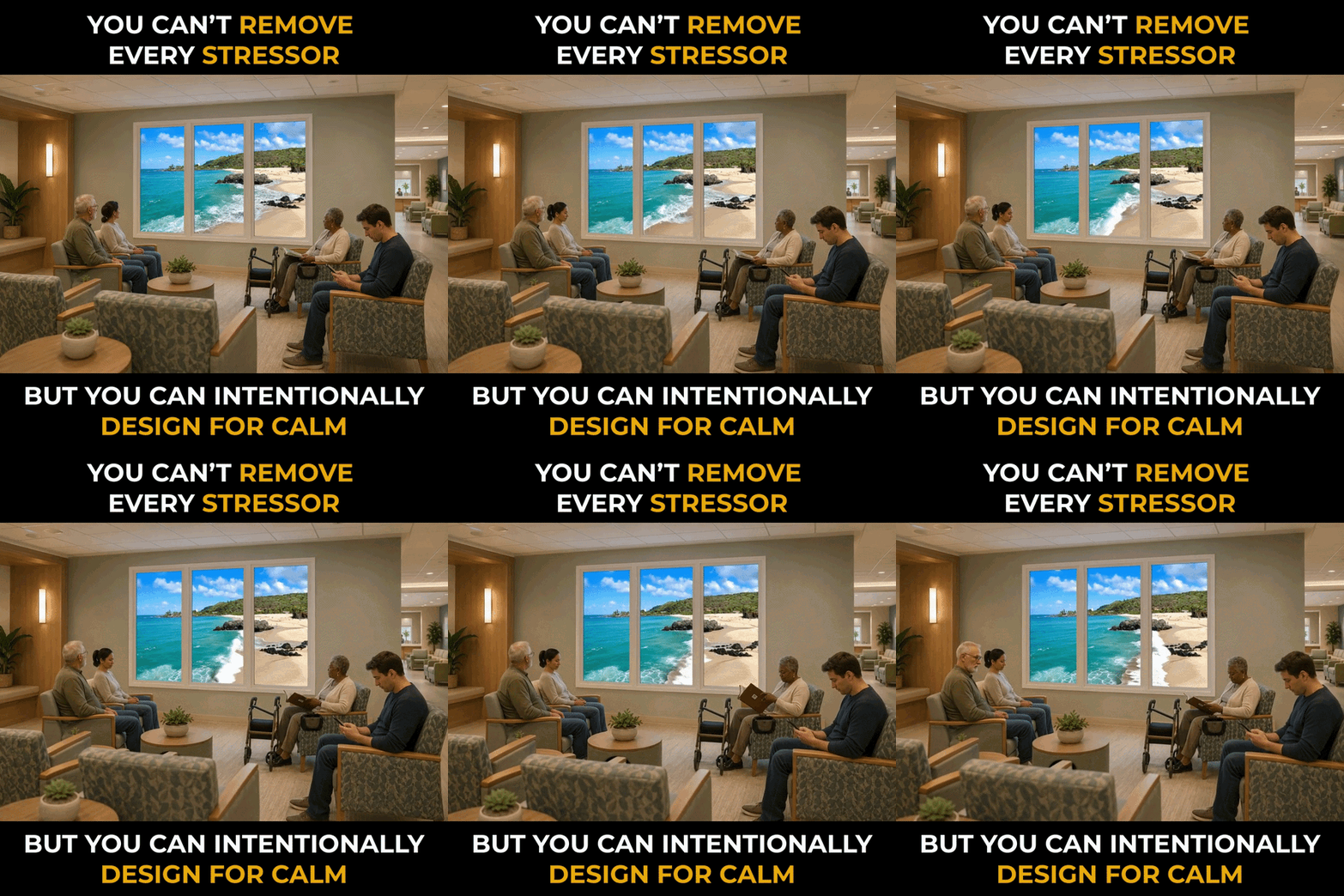
Healthcare environments make the importance of occupant experience especially clear. Waiting rooms, treatment areas and consultation spaces may be occupied by people who are already anxious, uncomfortable or uncertain. The design cannot remove every stressor involved in that experience, but it can avoid adding unnecessary visual harshness or enclosure.
A LiquidView installation can introduce expansive coastal, landscape or city scenery into spaces where an exterior view is unavailable. The gentle movement within the scene provides a visual focal point, while the apparent depth of the window can help an interior room feel less confined. For patients and visitors, it offers something beyond the immediate clinical environment on which to rest their attention.
The same principle can support staff spaces, wellness rooms and senior living communities. People who spend much of the day inside may benefit from environments that feel visually connected to nature and the broader world. LiquidView’s expanding library includes destinations such as Hawaii, Venice, Miami and Nice, allowing the selected scenery to support the intended character of the project.
Digital windows should not be presented as medical treatment or as a replacement for evidence-based healthcare planning. They are one component within a broader design strategy that may also include acoustic control, comfortable furnishings, appropriate lighting, intuitive circulation and access to real nature wherever possible. The practical value is that designers gain another way to intentionally shape the emotional tone of a room.
The View Can Become a Design Decision
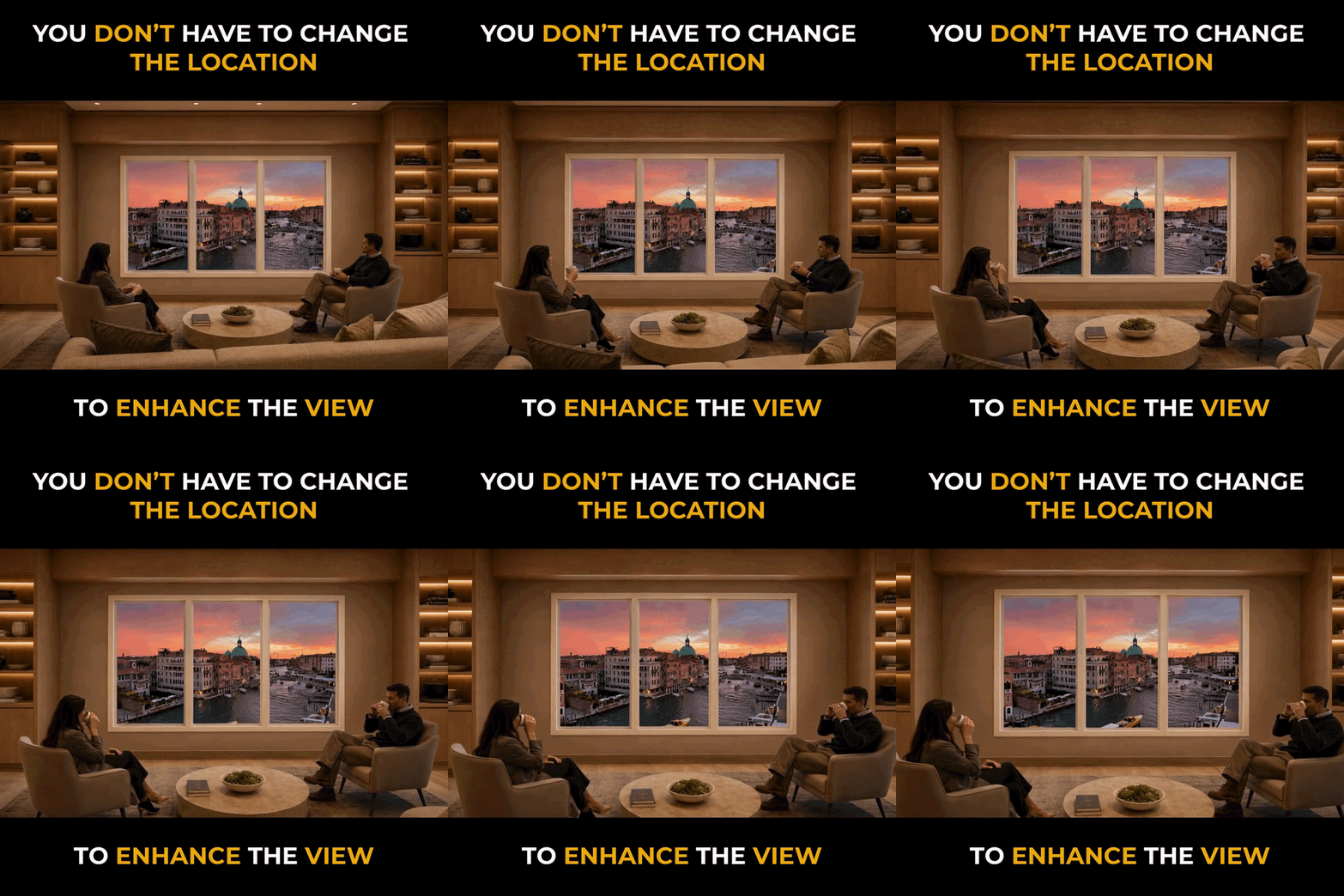
Not every difficult view comes from a completely windowless room. Some spaces overlook parking areas, adjacent walls, mechanical equipment or other conditions that do little to support the desired experience. In other projects, the room may simply be located in a city, climate or building position that cannot provide the atmosphere envisioned for the interior.
LiquidView allows the scenery to become part of the design concept rather than a condition the project must accept. A workplace lounge can look toward Venice at sunset. A hospitality space can face a coastal destination. A wellness or senior living environment can introduce a quiet ocean or landscape view without relocating the room or modifying the exterior envelope.
The available library also creates flexibility across different applications. A calm natural scene may suit a healthcare waiting area, while a more active city view could support a corporate lounge or hospitality project. LiquidView’s Unexpected Events feature can introduce randomized, photorealistic activity that corresponds with the scene and time of day, helping the view retain some of the variation expected from a real window. The feature can also be switched off when a quieter presentation is preferred.
Selection should still be intentional. The destination, scale, orientation and intensity of the view should relate to the room’s purpose, architecture and occupants. A digital window is most effective when it supports the space rather than becoming an unrelated focal point. The opportunity is not merely to choose a beautiful image, but to specify the kind of visual experience the room was previously unable to provide.
What Matters Most
LiquidView matters because it treats the digital view as part of the built environment. The display provides the image, but the complete experience depends on the architectural frame, installation depth, surrounding materials, furniture placement and relationship between the scene and the room’s lighting.
Vista and Panorama configurations address different scales of application, while InWall and OnWall installation options respond to different construction conditions. A private office, healthcare waiting area, conference room and hospitality lounge will not require the same window size, viewing distance or scenery. The specification should match the format, installation method and selected view to the actual room and its occupants.
The larger design lesson is to stop treating a windowless room as though visual disconnection is unavoidable. LiquidView cannot change the building perimeter, but it can introduce movement, depth, changing time and a view into spaces that would otherwise have none. When technology and architecture are considered together, an interior wall can become something more meaningful than the boundary of the room.
If you’re evaluating LiquidView for a workplace, healthcare, senior living, hospitality, education, wellness or residential project, GGG can help you compare window formats, installation options, view selections and integration requirements in relation to your space and design goals.