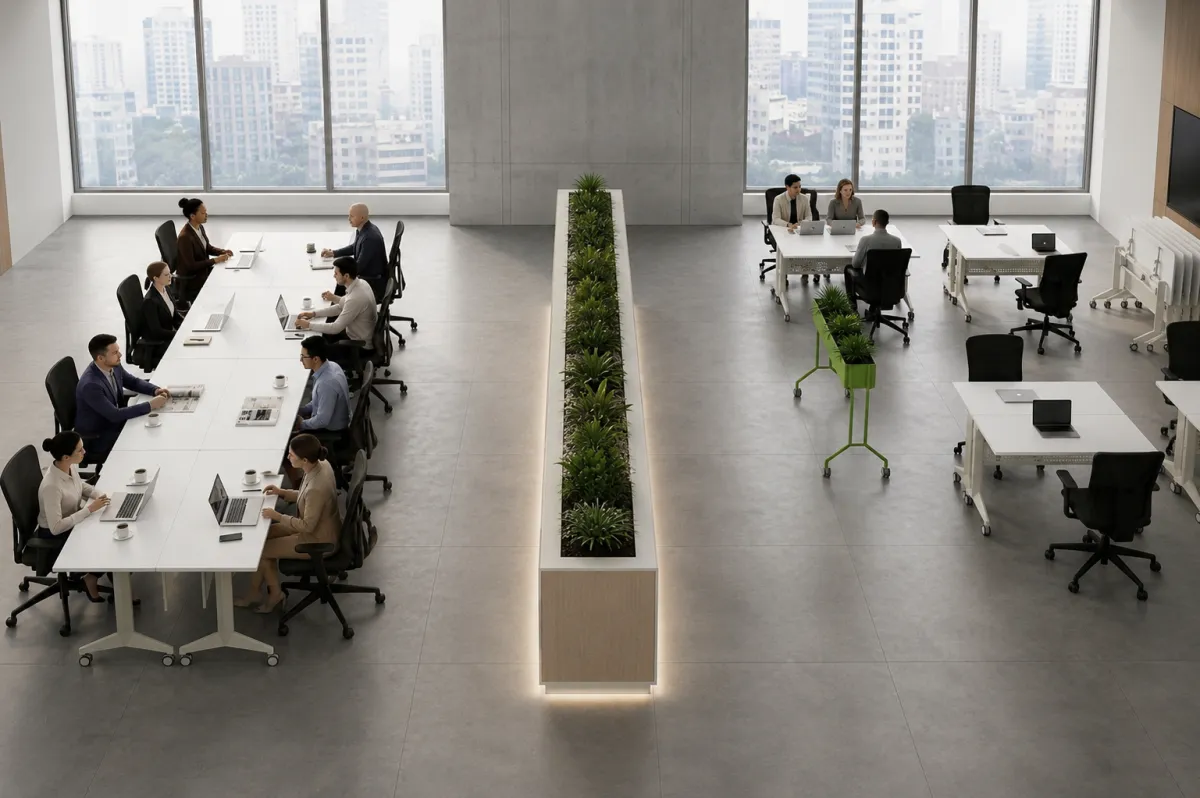
The Weekly Spec, Vol 10: Open Plan Systems TriFlex
One Table. So Many Possibilities.
Most furniture specifications begin with a simple question:
What do we need today?
The problem is that today's answer rarely stays relevant for very long.
Training rooms become meeting rooms. Meeting rooms become collaboration spaces. Event spaces become classrooms. Teams grow, shrink, reorganize, and adapt. The built environment is constantly changing, but furniture specifications often assume stability that simply doesn't exist.
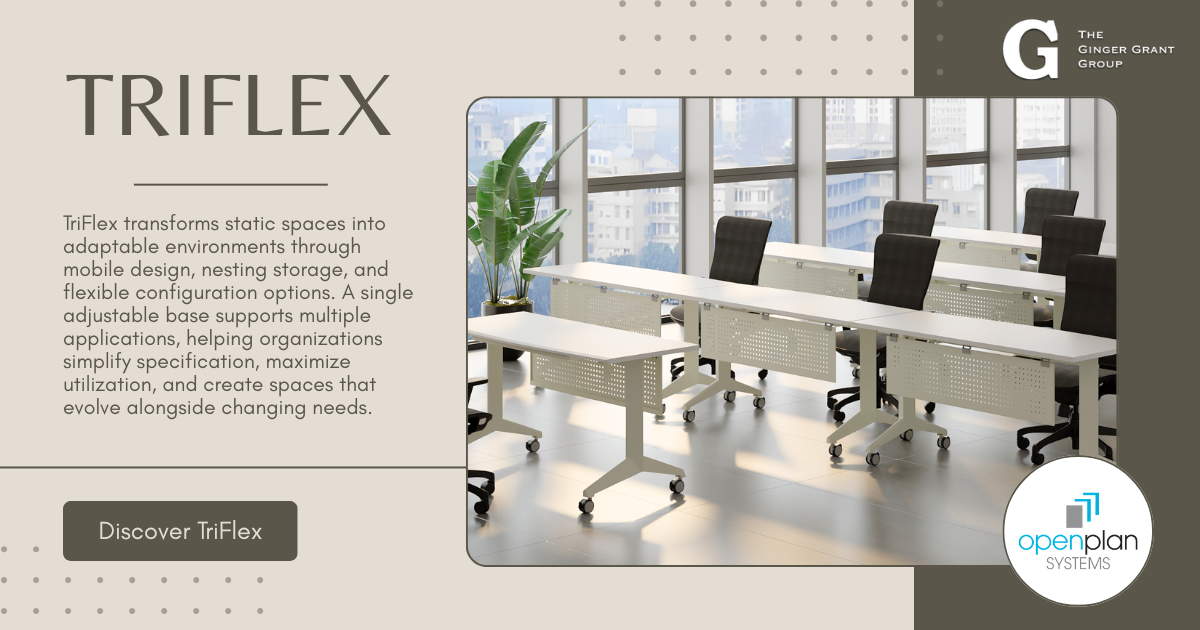
This week's Weekly Spec focuses on TriFlex by Open Plan Systems — a training table system designed around adaptability, simplicity, and long-term flexibility. Rather than requiring multiple products to support multiple applications, TriFlex uses a single adjustable base platform that helps organizations respond to changing needs without creating unnecessary complexity. Open Plan Systems is part of the active manufacturer portfolio in key Ginger Grant Group territories.
Throughout the week, we explored how flexibility, SKU reduction, reconfiguration, and space utilization can create better outcomes for dealers, specifiers, and end users alike.
Supporting Multiple Types of Collaboration in One Space
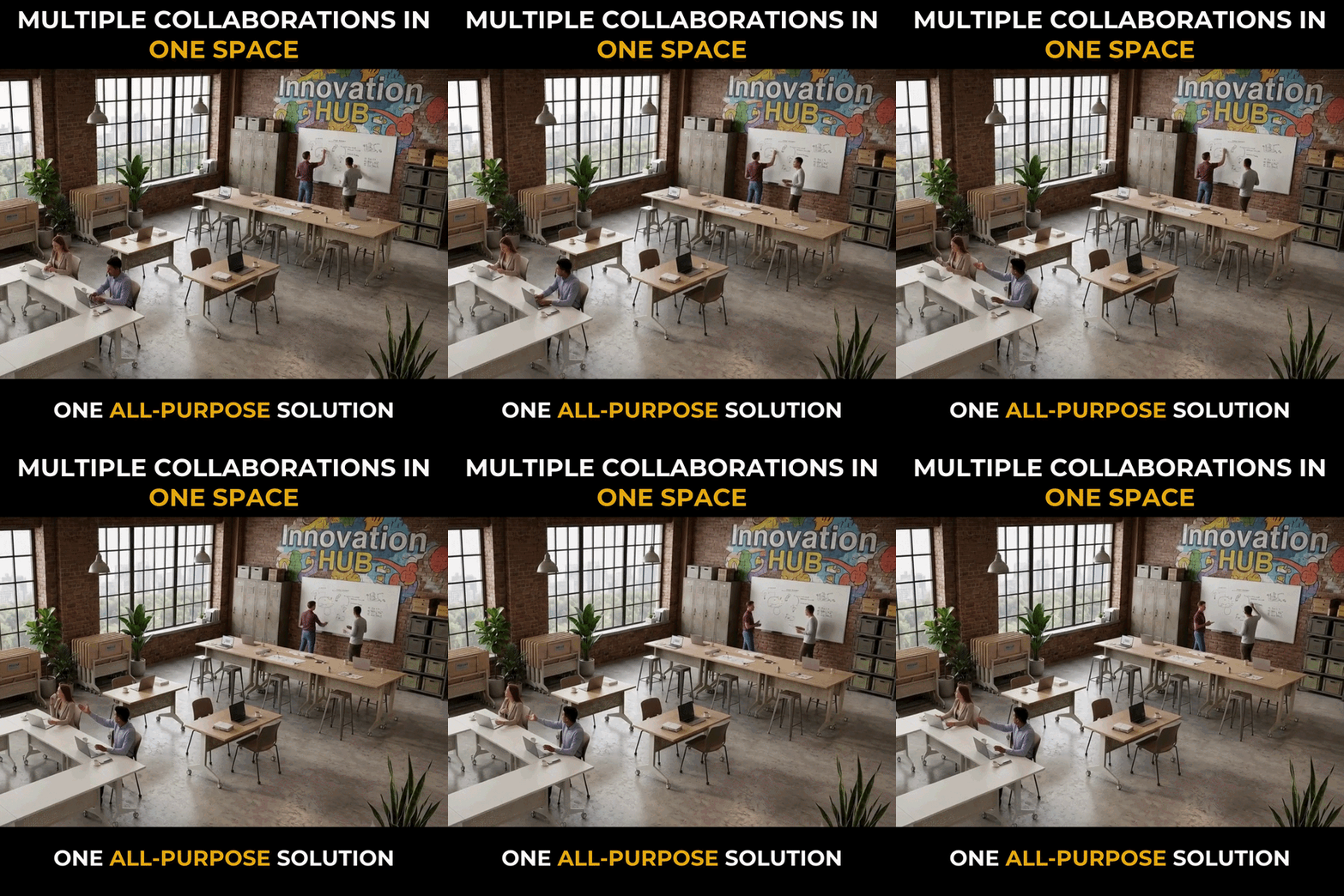
Modern workplaces rarely operate around a single style of work.
At any given moment, one group may be conducting focused project work while another team is brainstorming ideas, reviewing plans, participating in training, or hosting client meetings.
Historically, organizations attempted to solve this challenge by creating separate rooms for separate activities. While that approach can work, it often creates underutilized space and limits flexibility when needs change.
TriFlex supports a different approach.
Because tables can be easily arranged, moved, and reconfigured, organizations can create multiple collaboration zones within the same environment. Small-group discussions, project work, training sessions, and informal collaboration can coexist without requiring dedicated furniture for every possible use case.
The result is a more adaptable environment that helps maximize both space utilization and furniture investment.
As workplace footprints continue evolving, flexibility increasingly becomes an operational advantage rather than a design preference.
When Simplicity Creates Better Outcomes
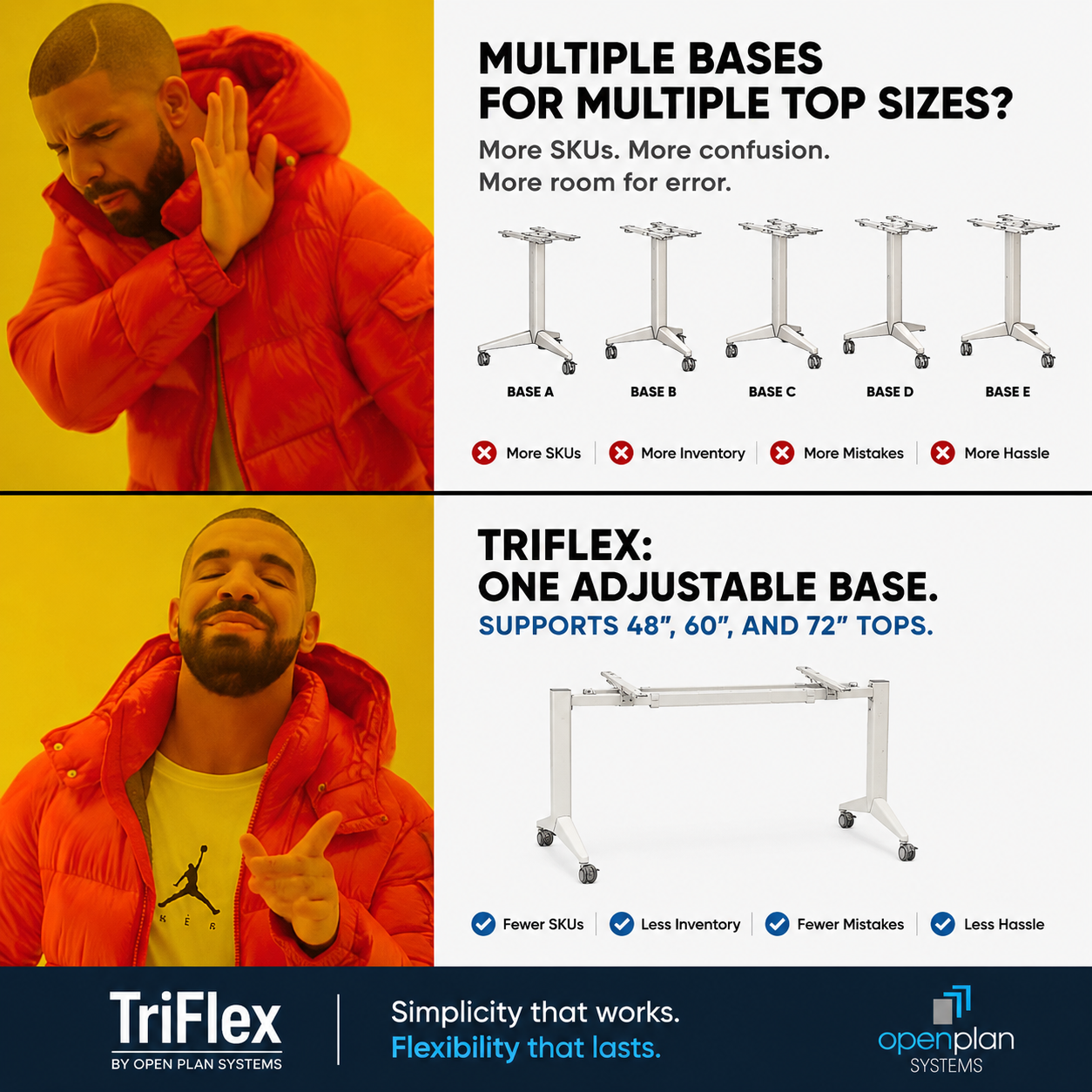
Complexity creates friction.
More SKUs create more opportunities for specification errors. More inventory creates additional costs. More product variations create more decisions that need to be managed throughout procurement, ordering, and installation.
One of TriFlex's most practical advantages is its adjustable base design.
Rather than requiring different bases for different tabletop widths, TriFlex utilizes a single adjustable platform capable of supporting multiple top sizes. That means fewer products to track, fewer specification decisions to manage, and fewer opportunities for mistakes during project execution.
For dealers, that can simplify inventory planning.
For specifiers, it can simplify furniture schedules.
For end users, it provides future flexibility without requiring furniture replacement when needs change.
Sometimes innovation isn't about adding complexity.
Sometimes it's about removing it.
Why Adaptable Furniture Creates More Valuable Spaces
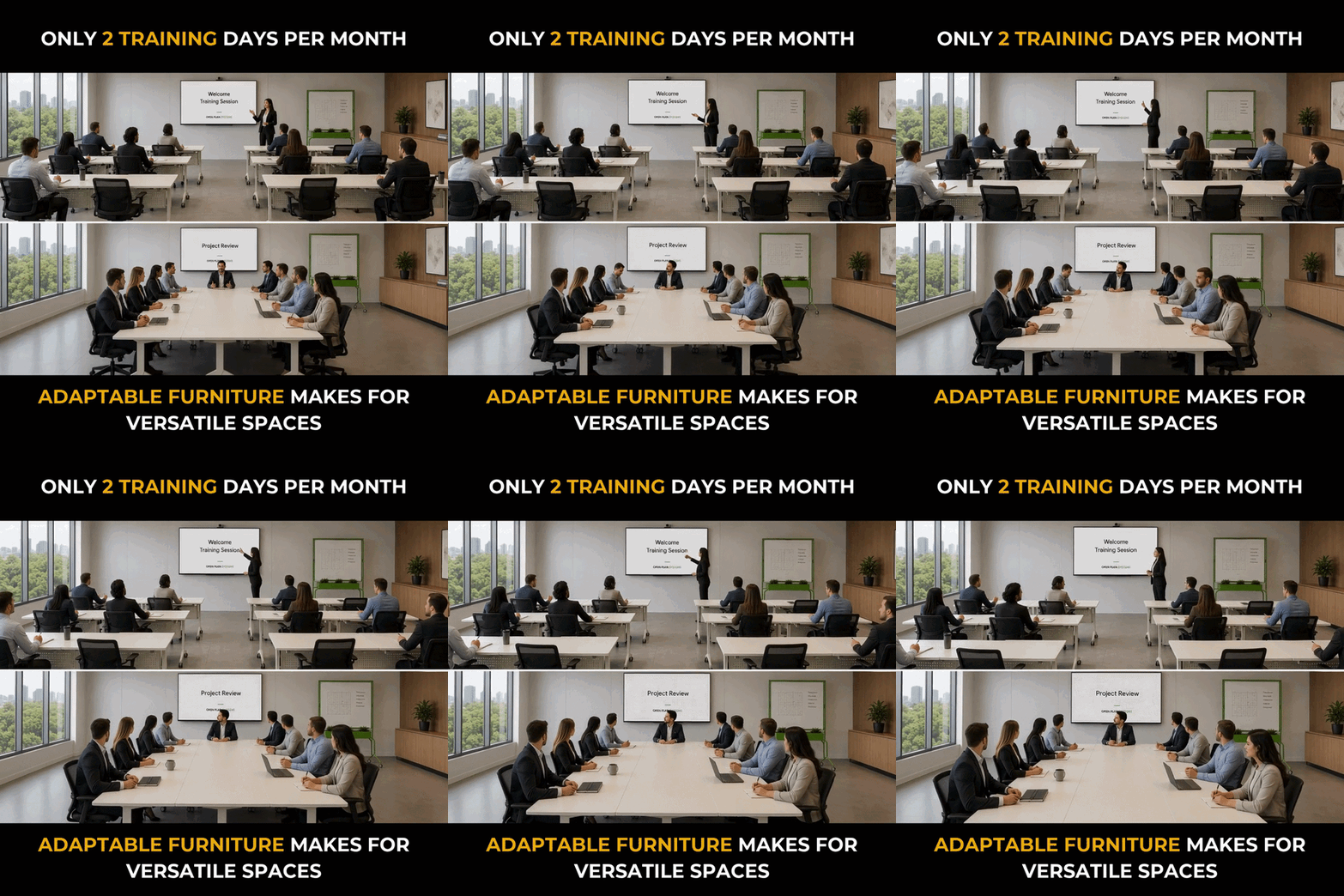
Many organizations only use formal training rooms a few days each month.
The rest of the time, those spaces often sit underutilized despite representing a significant investment in square footage and furniture.
Adaptable furniture changes that equation.
A room configured for training in the morning can become a conference room, project room, workshop space, or collaborative meeting environment later in the day. The ability to quickly transition between applications allows organizations to generate more value from the same physical footprint.
This becomes particularly important in environments where space is expensive or difficult to expand.
Healthcare facilities, higher education campuses, corporate workplaces, and government environments all face increasing pressure to improve utilization rates without compromising functionality.
TriFlex supports those goals by allowing spaces to evolve alongside operational needs rather than forcing organizations to design around fixed furniture layouts.
Planning for Tomorrow's Unknowns
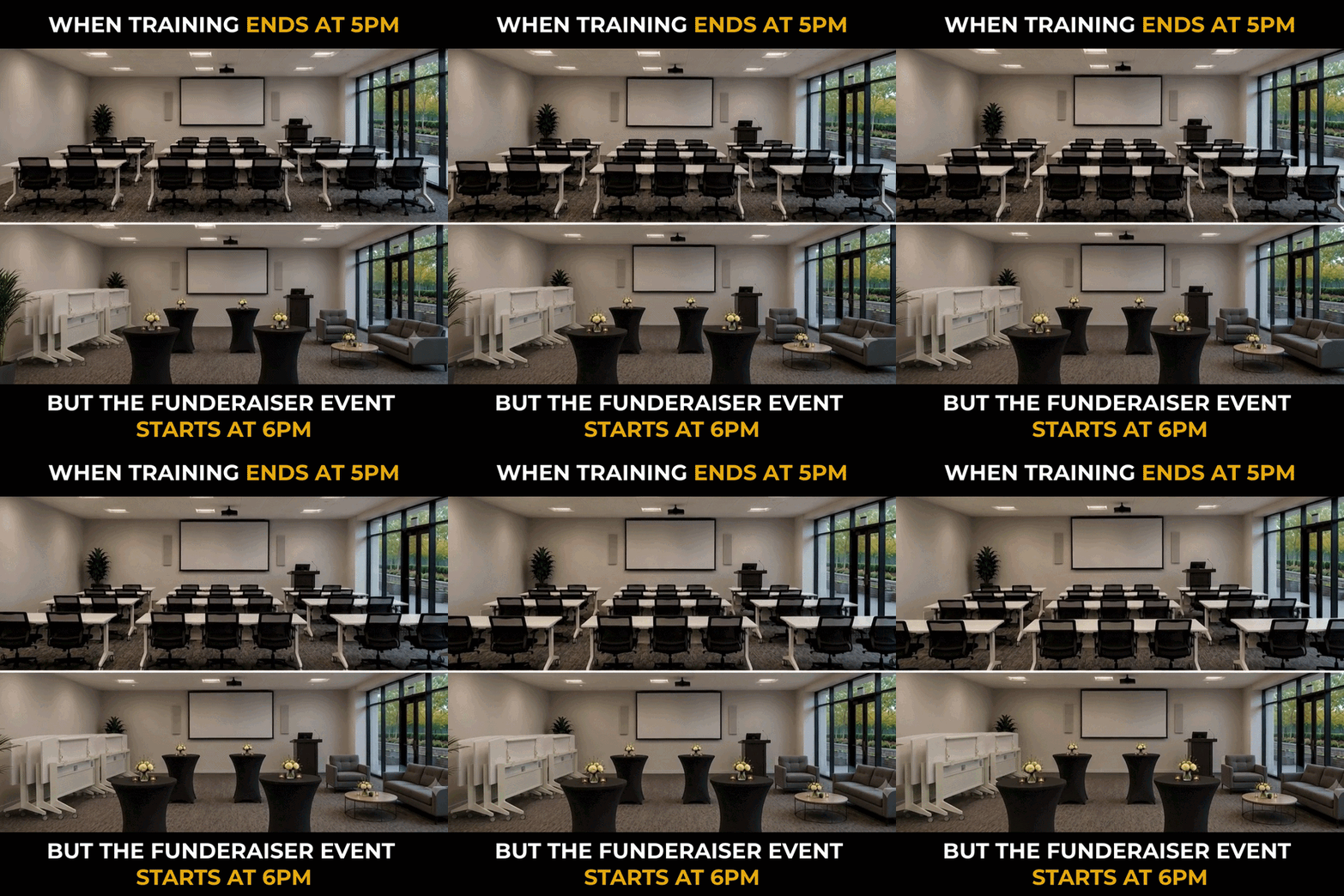
One of the biggest challenges in furniture planning is uncertainty.
Very few organizations know exactly how teams, workflows, or space requirements will change over the next five years.
What begins as a training room may eventually become a meeting space. A project room may become a collaboration hub. A department may grow, contract, or reorganize entirely.
Furniture that cannot adapt often becomes a constraint.
TriFlex addresses this through a combination of mobility, nesting storage, and flexible configuration options.
When tables are not in use, they can be nested efficiently to reclaim valuable floor space. When new configurations are required, tables can be repositioned quickly without major disruption.
That flexibility helps organizations extend the useful life of their furniture investment while reducing the need for future replacement purchases driven solely by changing space requirements.
The goal isn't simply flexibility for flexibility's sake.
The goal is reducing friction when change inevitably arrives.
What Matters Most
The biggest takeaway from this week is simple:
Adaptability is becoming one of the most valuable characteristics in commercial furniture.
Organizations face increasing uncertainty around how spaces will be used over time. Work patterns continue evolving. Collaboration styles continue changing. Teams continue reorganizing.
Furniture that assumes permanence often struggles to keep pace with those realities.
TriFlex approaches the challenge differently.
Through adjustable bases, simplified specification, mobility, nesting storage, and flexible room configurations, it helps organizations create spaces that can evolve alongside changing operational needs.
The result is not just furniture that works today.
It's furniture designed to remain valuable when tomorrow looks different.
If you're evaluating training tables, collaborative furniture, or multi-purpose space solutions for an upcoming project, we can help determine where TriFlex fits based on application, flexibility requirements, long-term utilization goals, and execution realities within the built environment.