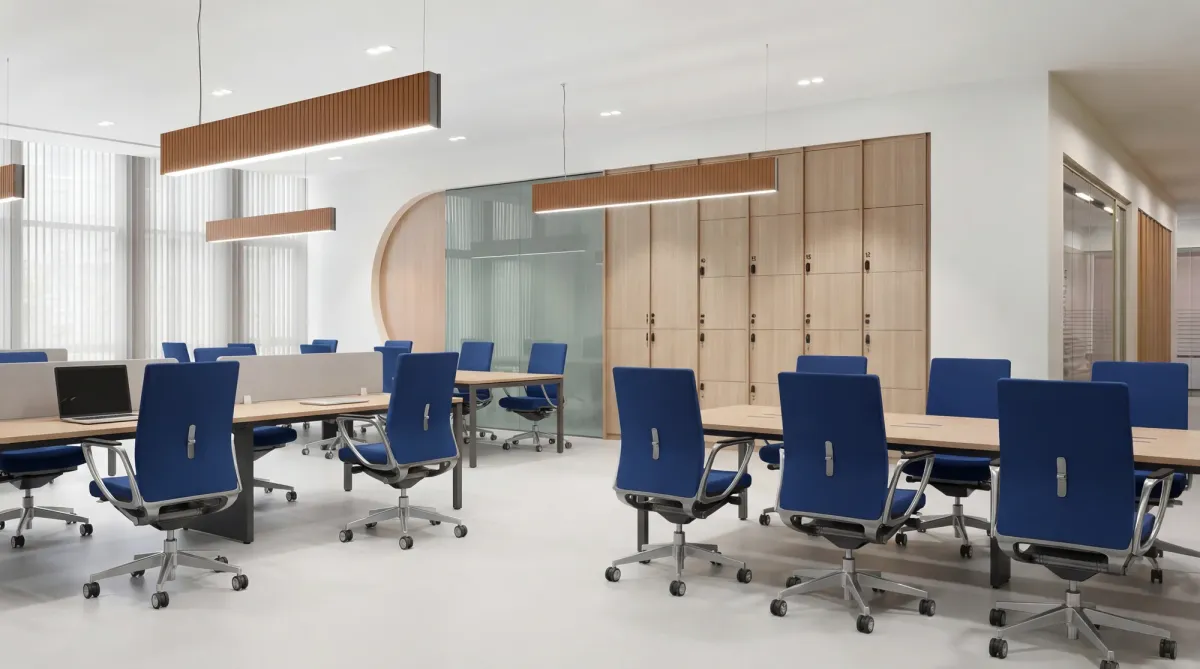
The Weekly Spec, Vol 16: Nightingal NLC Conference Chair
Beyond the Boardroom: Specifying NLC for a More Flexible Workplace
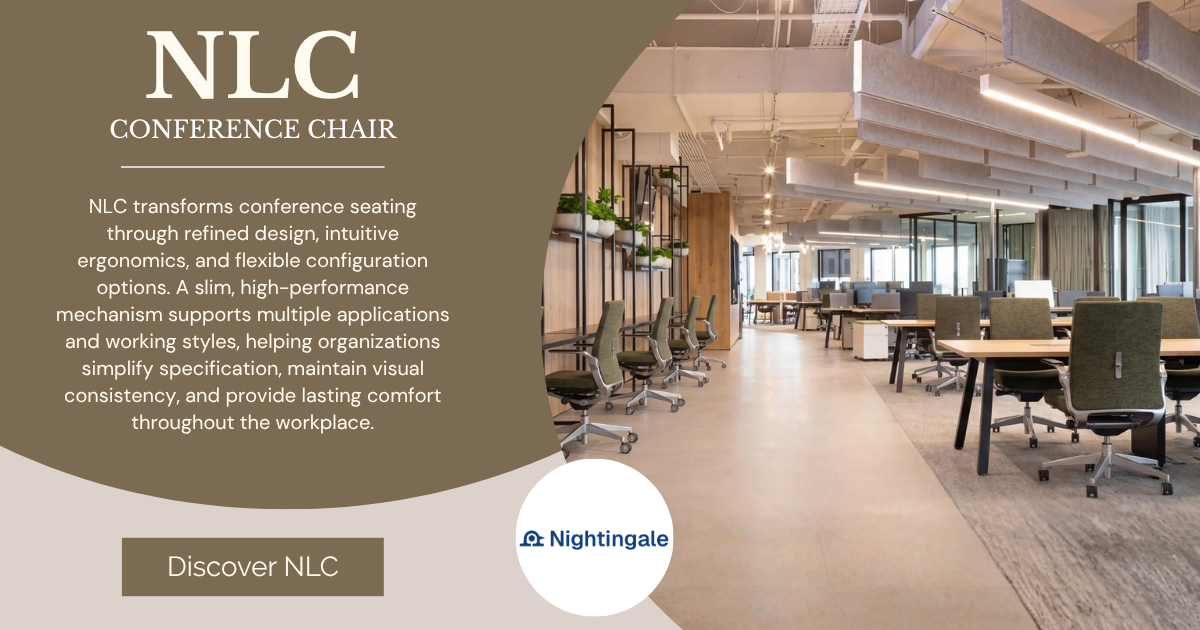
How long-session comfort, understated strength and a wider family of configurations help one seating platform support more of the workplace
Conference chairs are often selected primarily for how they complete the room. Their proportions must complement the table, the upholstery must support the material palette and the finished space must make the right impression when clients, leadership teams or project groups enter.
The challenge is that appearance is only the first part of the experience. Meetings run longer than expected, furniture must withstand frequent use and work now takes place at standard tables, standing-height surfaces and spaces that may change purpose throughout the day. A chair that performs only in the photograph may become a problem once people begin using it.
The Nightingale NLC, designed by William R. Breen, approaches the conference chair as a complete seating platform. Its refined profile is supported by a low-profile mechanism, ergonomic adjustments, heavy-duty construction and multiple configurations intended to serve boardrooms, private offices, collaborative areas, touchdown spaces and sit/stand applications.
Comfort Has to Last Past the Agenda
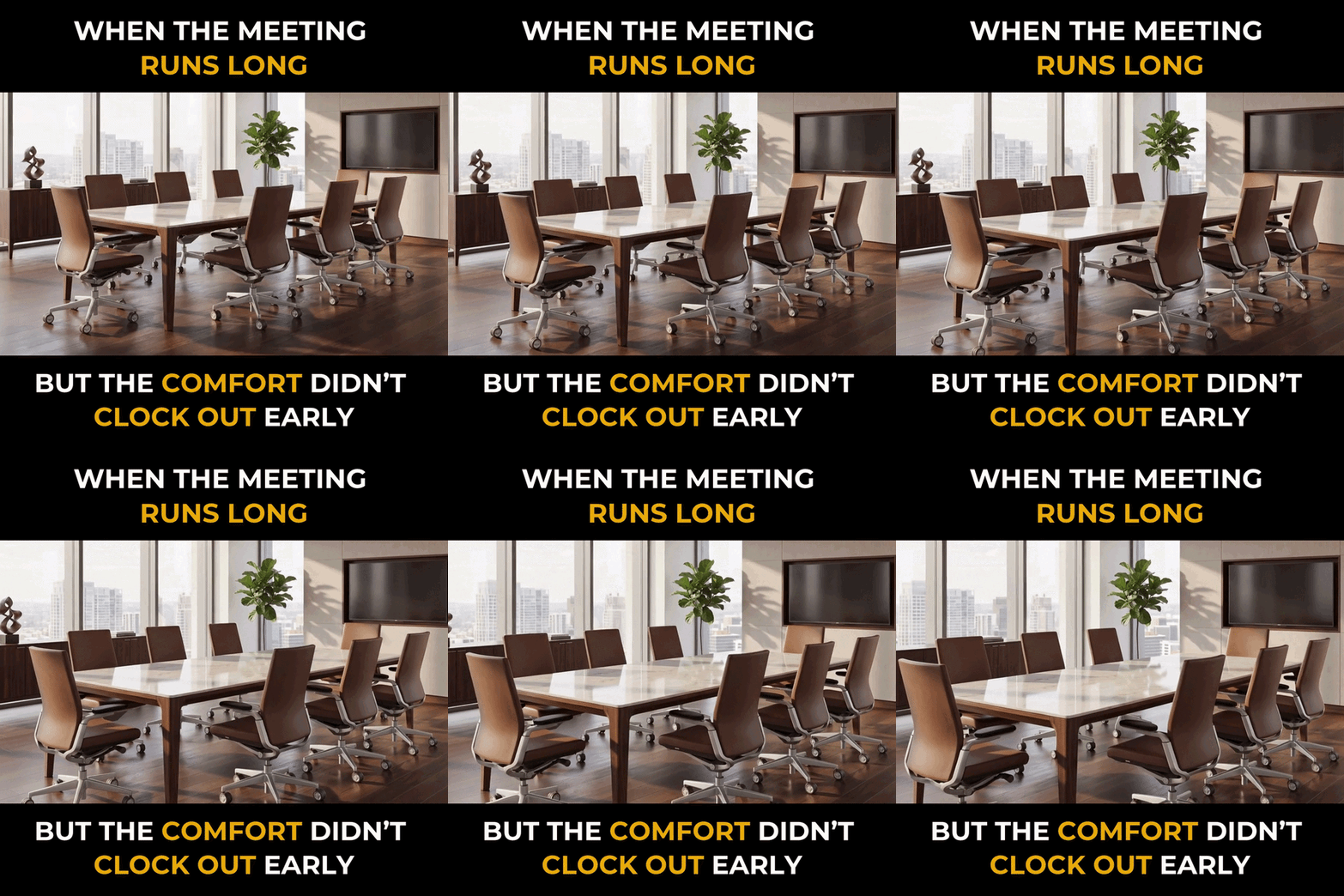
Conference chairs are often judged during the first few minutes of a meeting. The user sits down, the chair feels comfortable and the visual effect supports the room. The more meaningful test begins later, when a scheduled thirty-minute conversation becomes a two-hour working session.
NLC uses Nightingale’s Newton Wafer™ mechanism to provide continuous, evenly weighted balance through different sitting positions. Its three-spring horizontal system supports the user through movement and can be locked in multiple positions when more fixed support is preferred. The mechanism remains thin beneath the seat, helping the chair maintain its refined profile without giving up the engineering needed for extended use.
The chair also combines a compound-curved back with height-adjustable lumbar support, an integrated spring-assisted seat-depth slider and side tension adjustment. High-back 2020D models can include a height-adjustable headrest for an additional point of support. Together, these features allow the chair to respond as the user shifts position during a longer session.
That adaptability matters because comfort is rarely static. People lean forward to collaborate, sit back to listen and reposition themselves as the meeting continues. A conference chair should support those changes without becoming the reason someone starts watching the clock.
Heavy-Duty Performance Does Not Have to Look Heavy
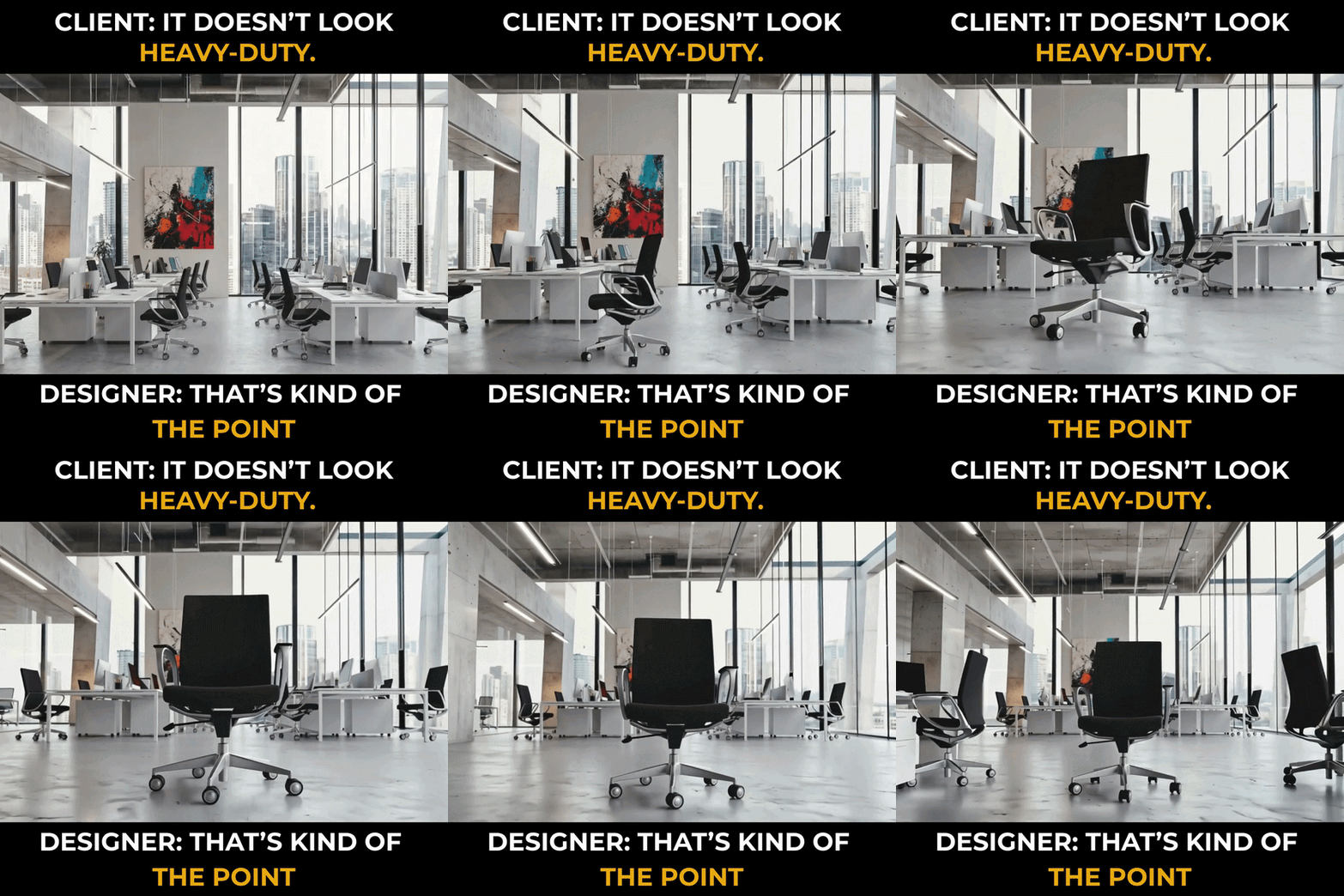
Heavy-duty seating can introduce a visual challenge for designers. Products engineered for continuous use and a wider range of users may appear oversized, highly mechanical or visually disconnected from the rest of a refined workplace.
NLC approaches strength more discreetly. Nightingale describes the Newton Wafer mechanism as having the strength of mechanisms twice its size, despite its wafer-thin profile. The chair also uses a five-prong, heavy-duty polished aluminum base that supports demanding performance while remaining consistent with its clean architectural expression.
Nightingale rates NLC for three shifts per day, 24-hour use and users up to 350 pounds. That makes the chair relevant beyond an occasional executive meeting. It can support high-use conference rooms, shared work environments and other commercial applications where durability must be considered alongside appearance.
For the designer, that balance is the point. Performance does not need to announce itself through unnecessary visual bulk. NLC allows the engineering to remain largely beneath the surface so the chair can satisfy practical requirements without making the room look like it was designed around them.
Standard Height Is Only One Option
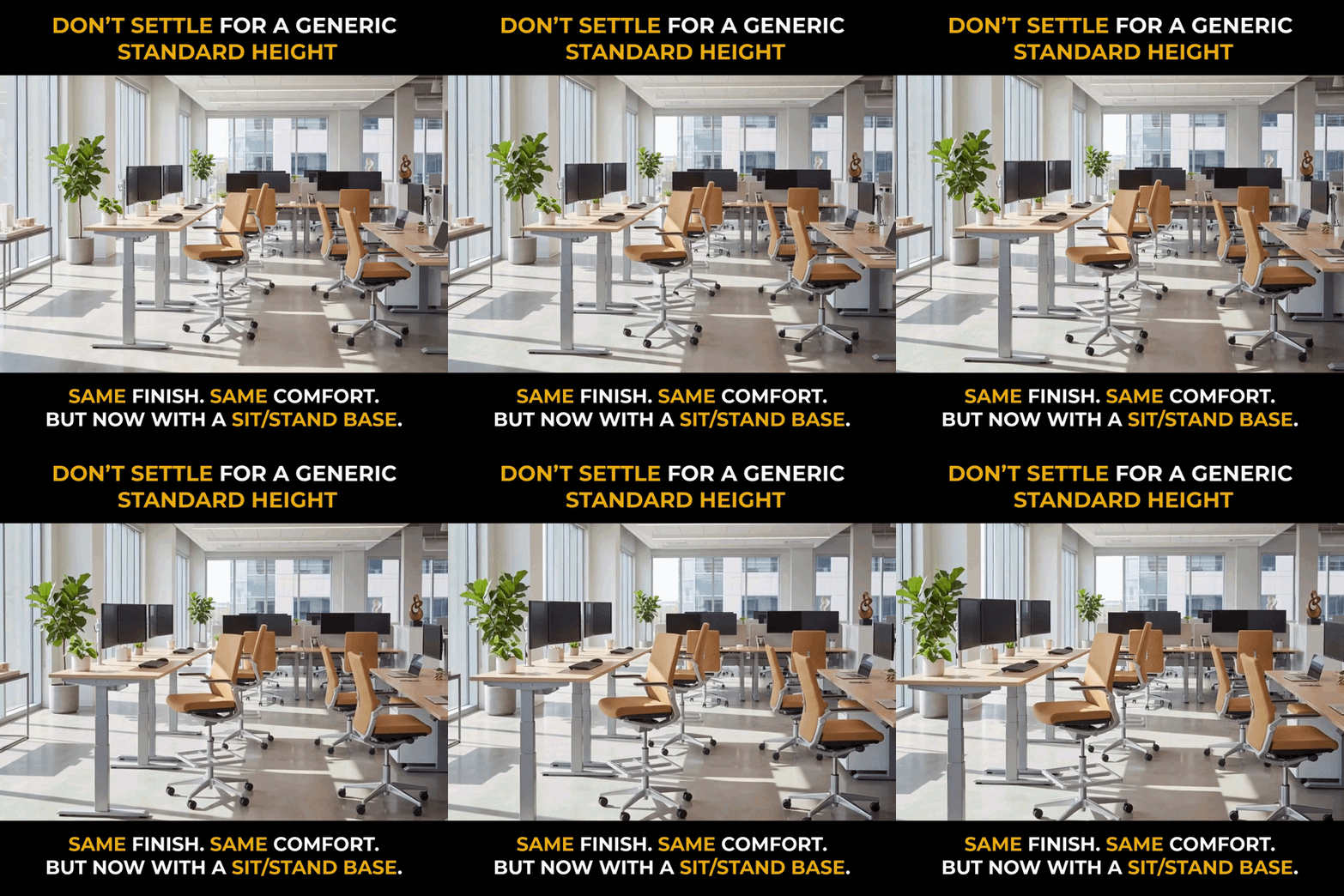
Workplace planning no longer assumes that every meeting, task or conversation happens at a standard-height desk. Standing-height project tables, touchdown counters, drafting surfaces and informal collaboration areas have become part of many contemporary interiors.
The NLC family extends beyond its standard conference configurations with the 2020-DS stool. The stool preserves the visual character of the collection while adding pneumatic height adjustment, a heavy-duty polished aluminum foot support and flip-up arms that move out of the way for easier access.
Its mechanism provides height and depth adjustment, giving users practical support at elevated surfaces without introducing an unrelated stool design into the project. The same family can therefore address standard conference tables and sit/stand applications through a consistent combination of upholstery, polished aluminum and recognizable NLC proportions.
For workplace specifiers, that continuity can simplify more than the furniture schedule. A conference room, collaborative counter and touchdown area can feel connected without requiring every application to use the same seat height. The finish and comfort remain consistent, while the base and working position respond to the space.
Conference Chair Is the Job Title, Not the Entire Job Description
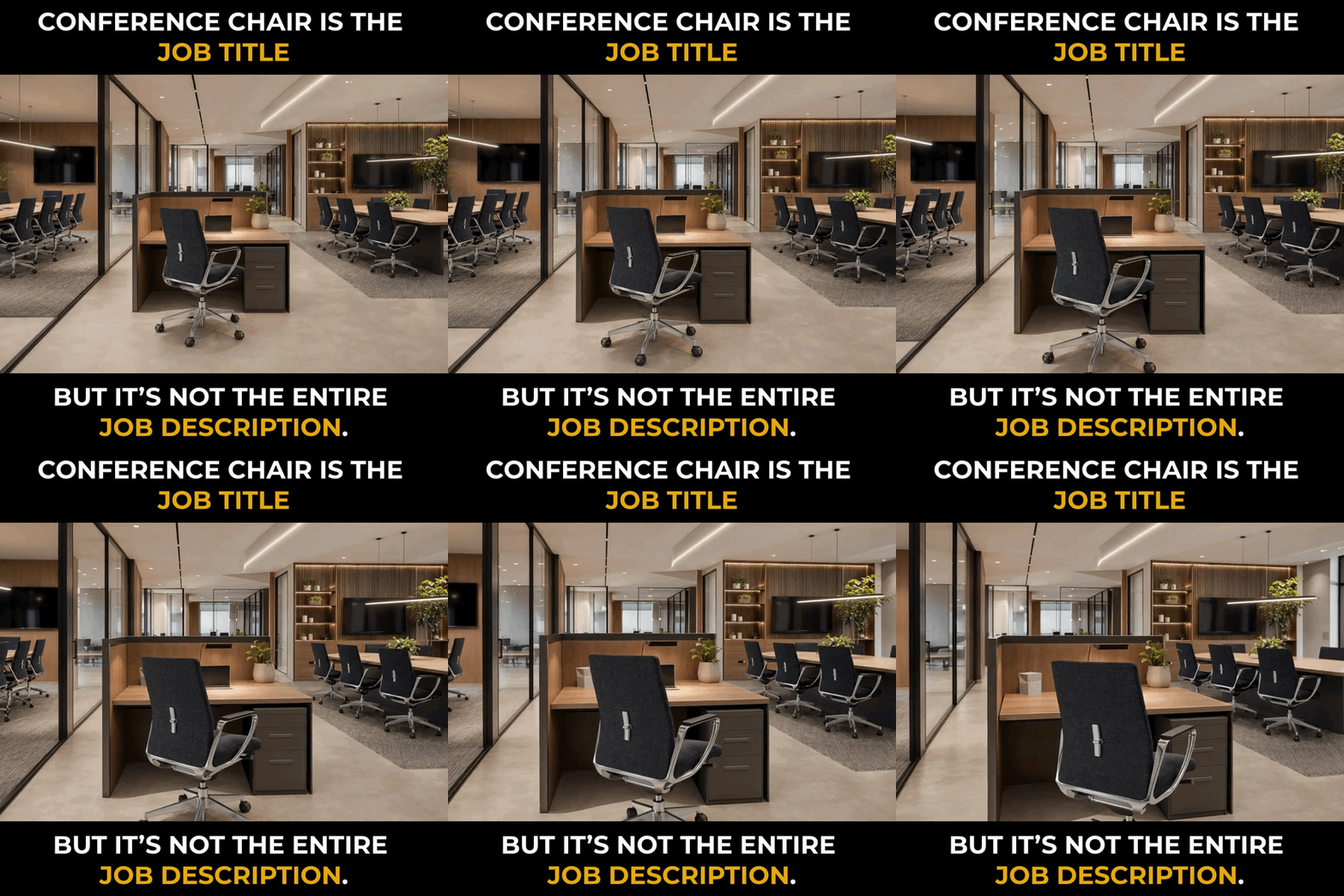
NLC is positioned as a conference chair, but many workplaces need seating to do more than remain around one large table. Private offices may host short meetings, collaborative areas may shift between individual and group work and touchdown spaces may need seating that feels appropriate for both focused tasks and conversation.
Nightingale describes the NLC as a chair whose multiple functions can reduce the need for several different types of office seating. Mid-back and high-back models, different arm configurations, adjustable support and the sit/stand stool allow the family to respond to different applications while maintaining a common design language.
Upholstery expands those possibilities further. NLC can be specified in a broad range of textiles, vinyls and leathers, allowing one model to take on a formal boardroom character, a durable shared-workplace finish or a warmer expression for private and collaborative settings. Designers can create distinction between spaces without abandoning consistency.
That versatility should still be applied intentionally. The selected configuration must reflect the work surface, expected duration of use, user group and visual priorities of the space. The advantage is that the specification begins with a flexible seating family rather than a conference chair with only one convincing place to go.
What Matters Most
NLC matters because it combines the visual restraint expected from a conference chair with the performance required from serious commercial seating. The Newton Wafer mechanism, integrated seat slider, adjustable lumbar support and range of arm options remain visually controlled beneath a slim, furniture-like profile.
The product family also gives designers meaningful choices. Mid-back and high-back models address different levels of support and visual presence. Loop, flip-up and 4D arms respond to different applications. The 2020-DS stool extends the same design language to elevated work surfaces, while textile, vinyl and leather options allow the chair to coordinate with the broader interior.
The larger specification lesson is that conference seating should be evaluated beyond the first impression. The right chair must support the architecture, withstand its expected level of use and adapt to the different places work now happens. When comfort, strength, configuration and visual continuity are considered together, the conference chair can become useful far beyond the conference room.
If you’re evaluating conference, executive, collaborative or sit/stand seating for a workplace project, GGG can help you compare NLC models, back heights, arm configurations, upholstery options and ergonomic features in relation to your space, users and design goals.