The Weekly Spec, Vol 5: Nightingale's Jarvis
Refined Comfort for the Meetings That Matter
Modern conference spaces are expected to do more than simply look professional. They need to support collaboration, focus, decision-making, and long-duration comfort without sacrificing aesthetics or flexibility. As workplaces continue evolving toward more intentional environments, conference seating has become a much more important part of the overall user experience than many organizations realize.
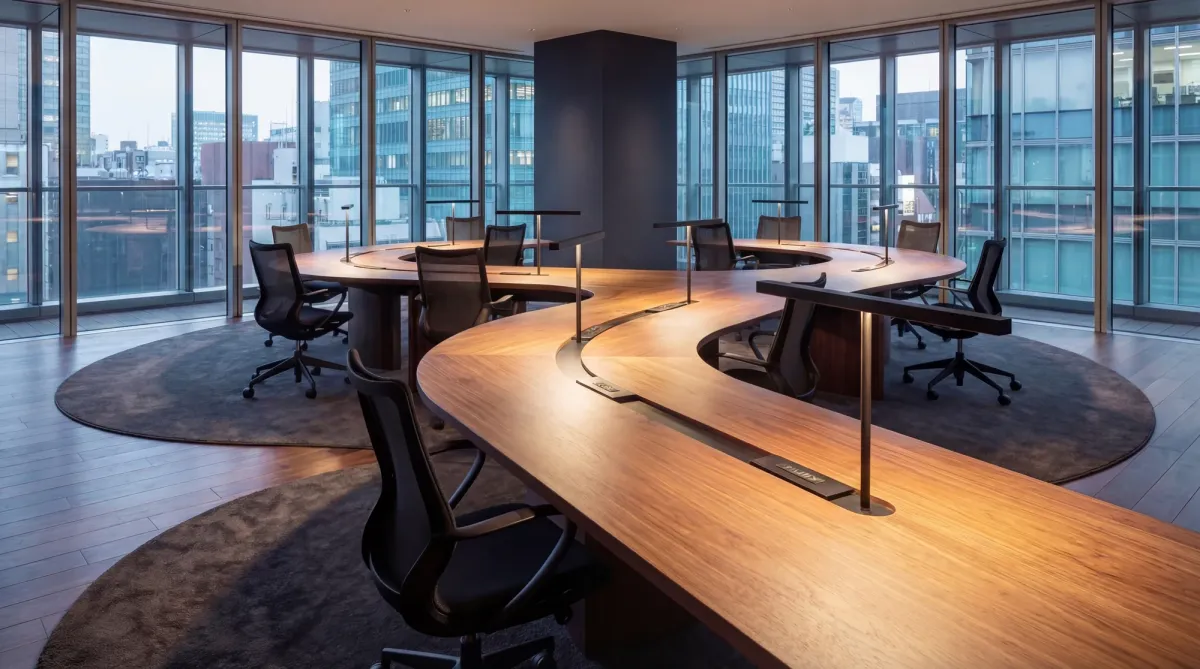
This Weekly Spec focuses on Jarvis by Nightingale — a conference chair designed to balance refined aesthetics with breathable comfort and long-term usability. Jarvis approaches conference seating through a balance of ergonomic support, airy mesh construction, and a streamlined architectural profile that feels equally appropriate in executive boardrooms, collaborative meeting spaces, and modern workplace environments.
Throughout the week, we explored how conference seating impacts everything from meeting fatigue to room utilization and overall perception of space quality.
When Meeting Fatigue Starts Earlier Than It Should

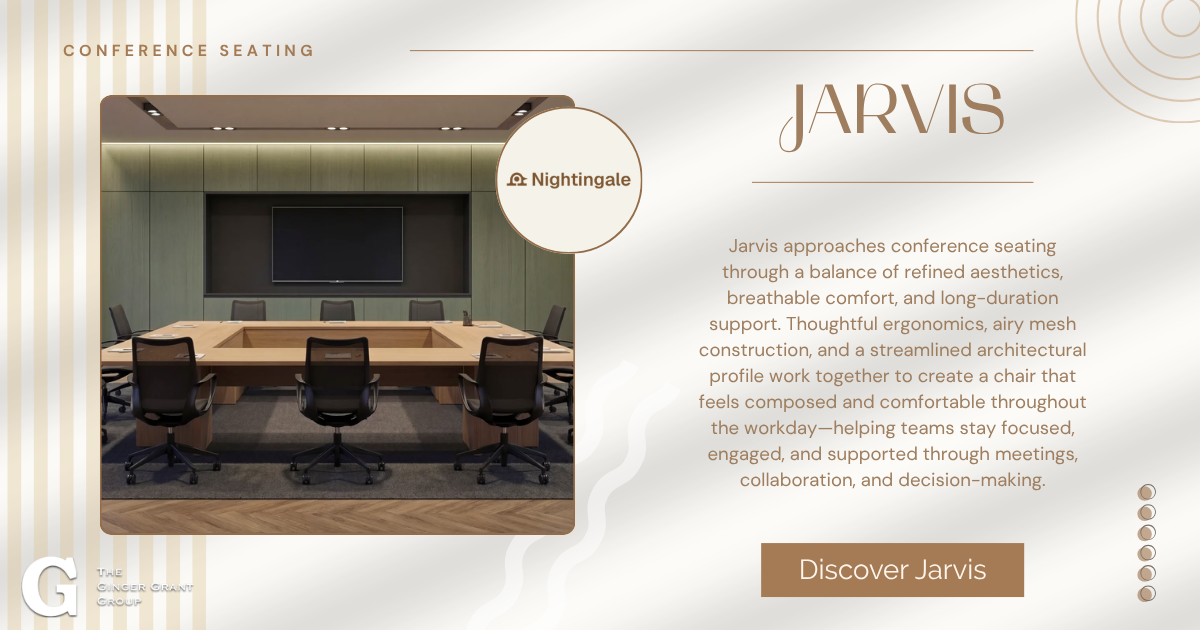
One of the most overlooked contributors to meeting fatigue is seating comfort. In many conference environments, discomfort begins long before people consciously recognize it. Poor support, trapped heat, and rigid posture gradually pull attention away from the conversation and toward physical distraction.
While organizations often focus heavily on technology, acoustics, and room aesthetics, seating plays a major role in how long people can remain focused and engaged during collaborative sessions.
Jarvis addresses this through a more breathable and supportive seating experience that helps reduce fatigue during longer meetings. The combination of mesh support, ergonomic shaping, and a lighter visual profile creates a chair that feels more comfortable over time without visually overpowering the room itself.
When Seating Becomes the Weakest Part of the Design
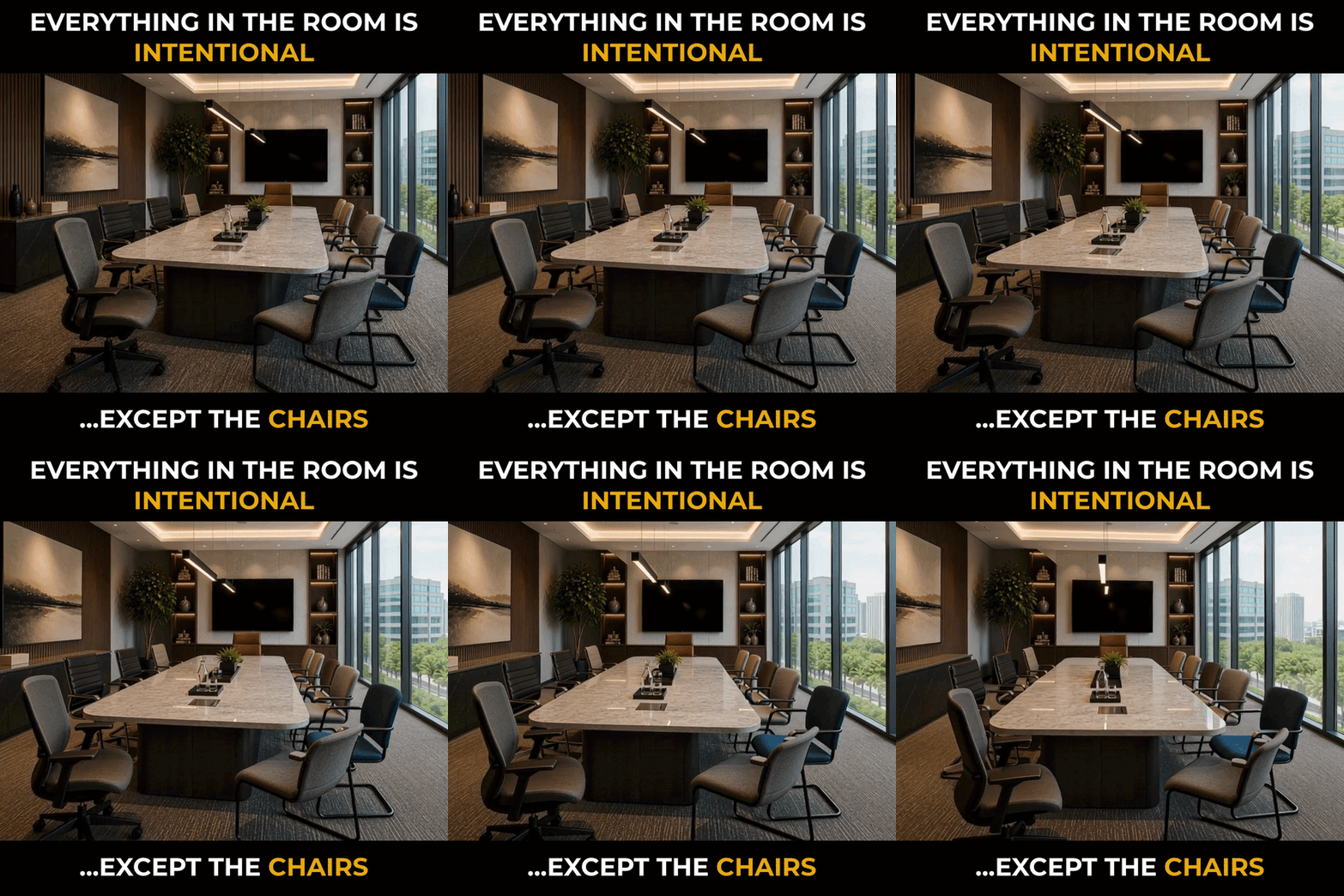
In many workplace projects, conference spaces receive significant attention during the planning and design process. Lighting, finishes, architecture, technology integration, and branding are all carefully considered to create an intentional environment that reflects the organization itself.
Yet seating is often selected much later in the process, creating a disconnect between the room’s overall design language and the actual user experience.
Jarvis works particularly well in modern architectural spaces because it balances visual restraint with elevated detailing. The chair feels intentional without competing with the broader design language of the room.
That balance matters because conference seating is one of the most consistently visible and frequently used elements in a collaborative environment.
Why Thermal Comfort Matters More Than Most People Realize
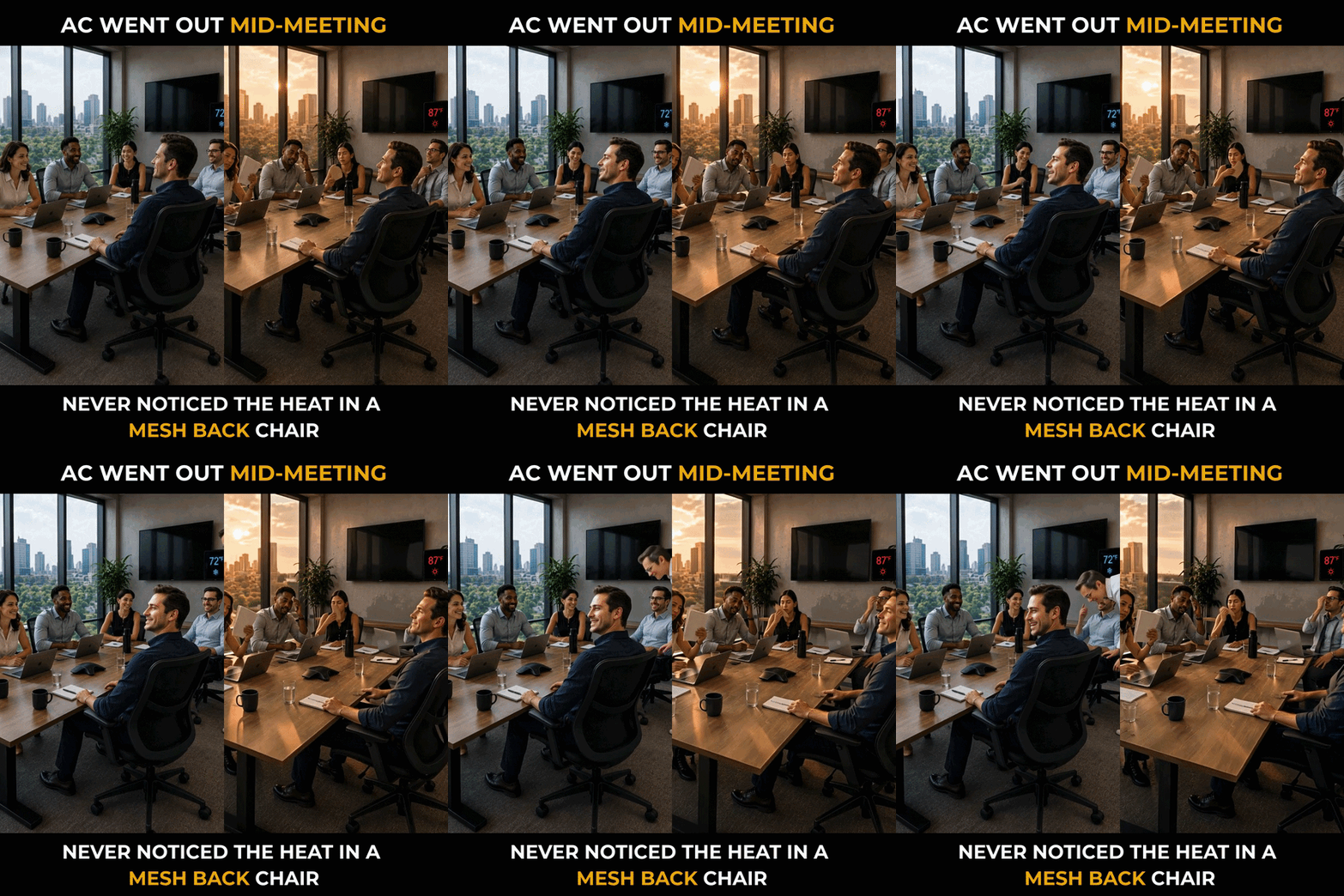
Conference rooms frequently struggle with temperature consistency, especially during longer meetings with multiple occupants, active technology, and limited airflow. Traditional upholstered seating can intensify that discomfort by trapping heat and creating physical fatigue much faster than many people expect.
The breathable mesh construction of Jarvis helps maintain airflow and reduce heat buildup throughout the workday. While subtle on paper, the real-world impact becomes much more noticeable during extended use.
When thermal comfort improves, people tend to remain more focused, physically relaxed, and engaged throughout the meeting experience.
That type of invisible performance is often what separates seating that simply looks good from seating that consistently supports the people using it every day.
Creating Spaces People Actually Want to Use
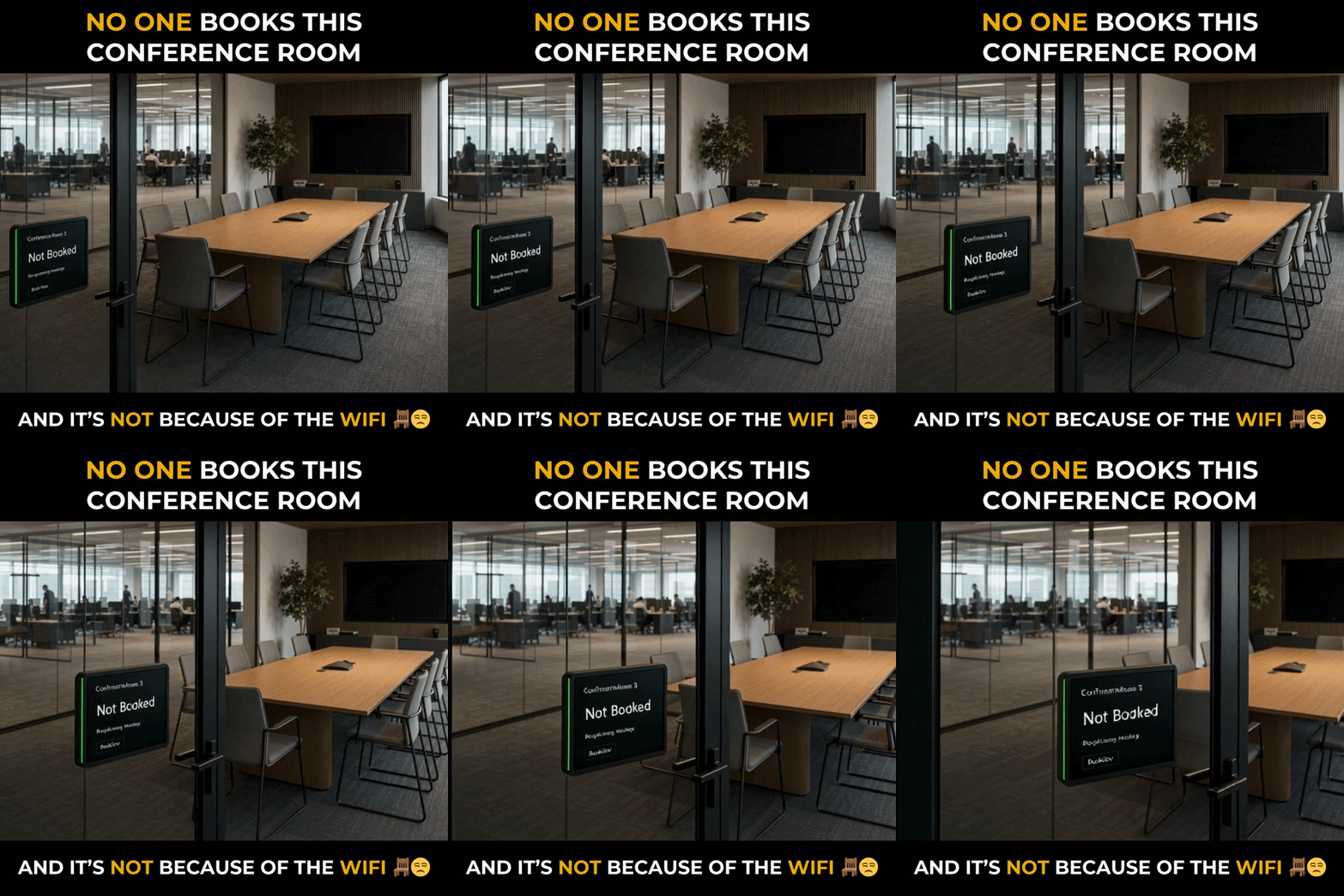
Workplace behavior often reveals more about a space than the design presentation itself.
In many organizations, employees naturally gravitate toward certain conference rooms while avoiding others. While technology and location can influence those decisions, comfort and overall environmental experience frequently play a much larger role than expected.
Conference seating directly affects how collaborative spaces feel over time. Rooms with rigid, uncomfortable, or visually disconnected seating often become spaces people tolerate rather than spaces they actively choose to use.
Jarvis helps create conference environments that feel lighter, more modern, and more welcoming throughout the day through a combination of breathable comfort, refined aesthetics, and long-duration usability.
What Matters Most
The biggest takeaway from this week is simple: conference seating directly shapes the experience of collaboration.
People may not consciously think about seating during a meeting, but they absolutely feel the effects of it. Fatigue, discomfort, heat buildup, poor posture, and visual inconsistency all contribute friction to environments that are supposed to support communication and decision-making.
Jarvis addresses those challenges through a balance of breathable comfort, refined aesthetics, and long-duration usability. Rather than treating conference seating as an afterthought, it approaches the chair as an integrated part of the overall workplace experience — supporting both the function of the meeting and the quality of the environment itself.
When seating performs well, people stay more focused, spaces feel more intentional, and collaboration becomes easier to sustain throughout the day.
If you’re evaluating conference seating for an upcoming project, we can help determine where Jarvis fits based on aesthetics, comfort, application, and long-term performance within the built environment.