The Weekly Spec, Vol 15: Intensa 587 Patient Recliner
Beyond the First Few Minutes: Specifying a Patient Recliner for the Full Care Experience
How positioning, inclusive comfort, caregiver access and cleanability shape recliner performance in long-duration healthcare settings
A patient recliner can feel comfortable during a brief showroom test and still fall short over the course of treatment. In infusion, dialysis, recovery and other long-duration care settings, patients may sit for hours while their needs change from conversation and treatment to reading, resting or repositioning.
That makes recliner selection more than a question of cushioning. The specification also affects how easily a patient can change position, how safely caregivers can work around the chair, how efficiently environmental services can clean it and how well the surrounding room holds up to daily use.
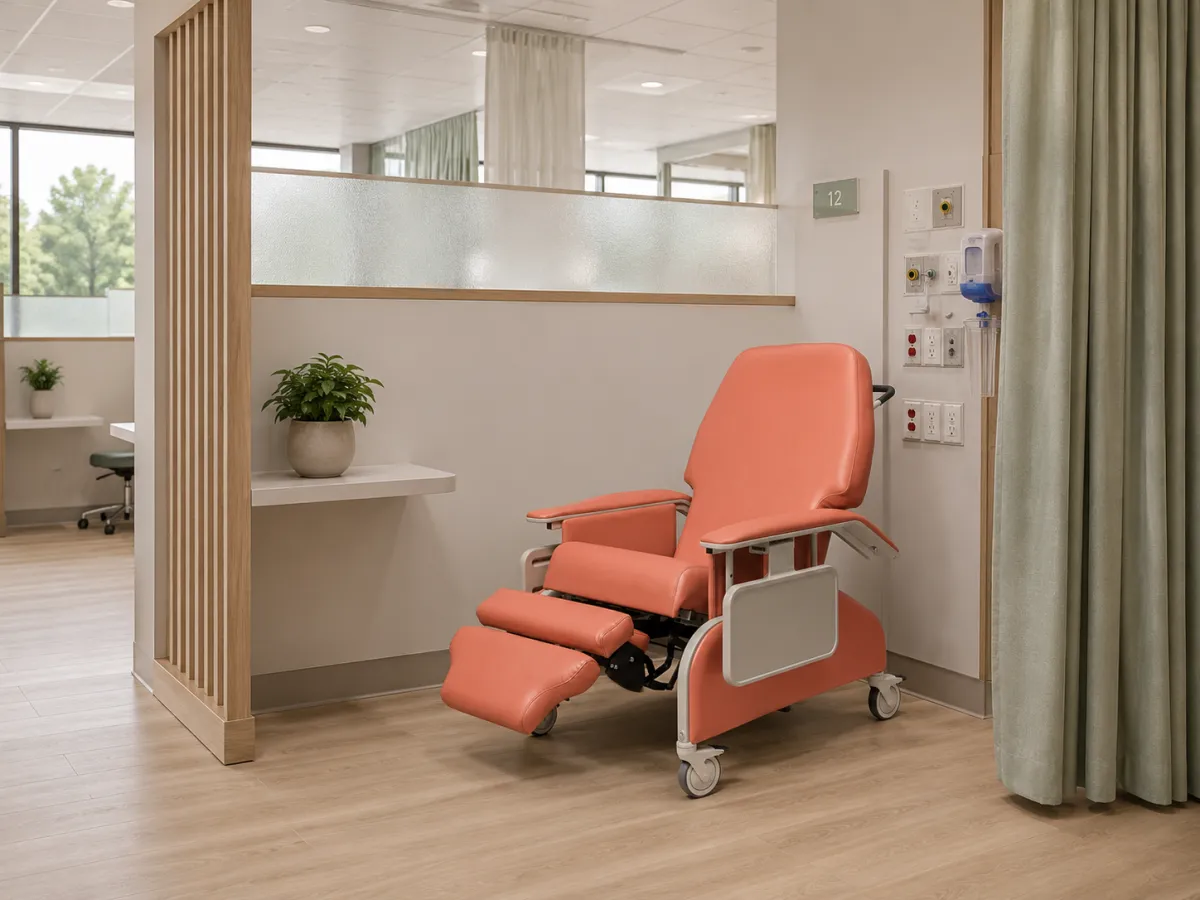
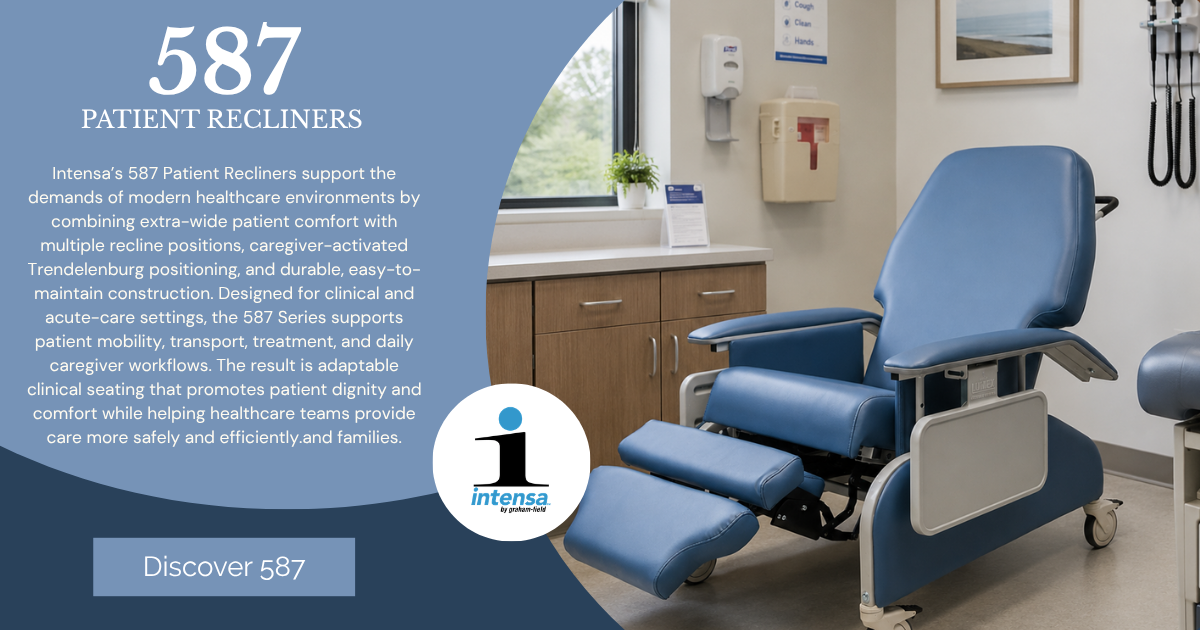
The Intensa 587 was developed around that broader care experience. Available in wide clinical care and wide drop-arm configurations, it brings together multiple comfort positions, an extra-wide seat and back, mobile support features and components designed for maintenance access. The result is a recliner that addresses the patient experience without separating it from the realities of care delivery.
Comfort Is a Sequence, Not a Single Position
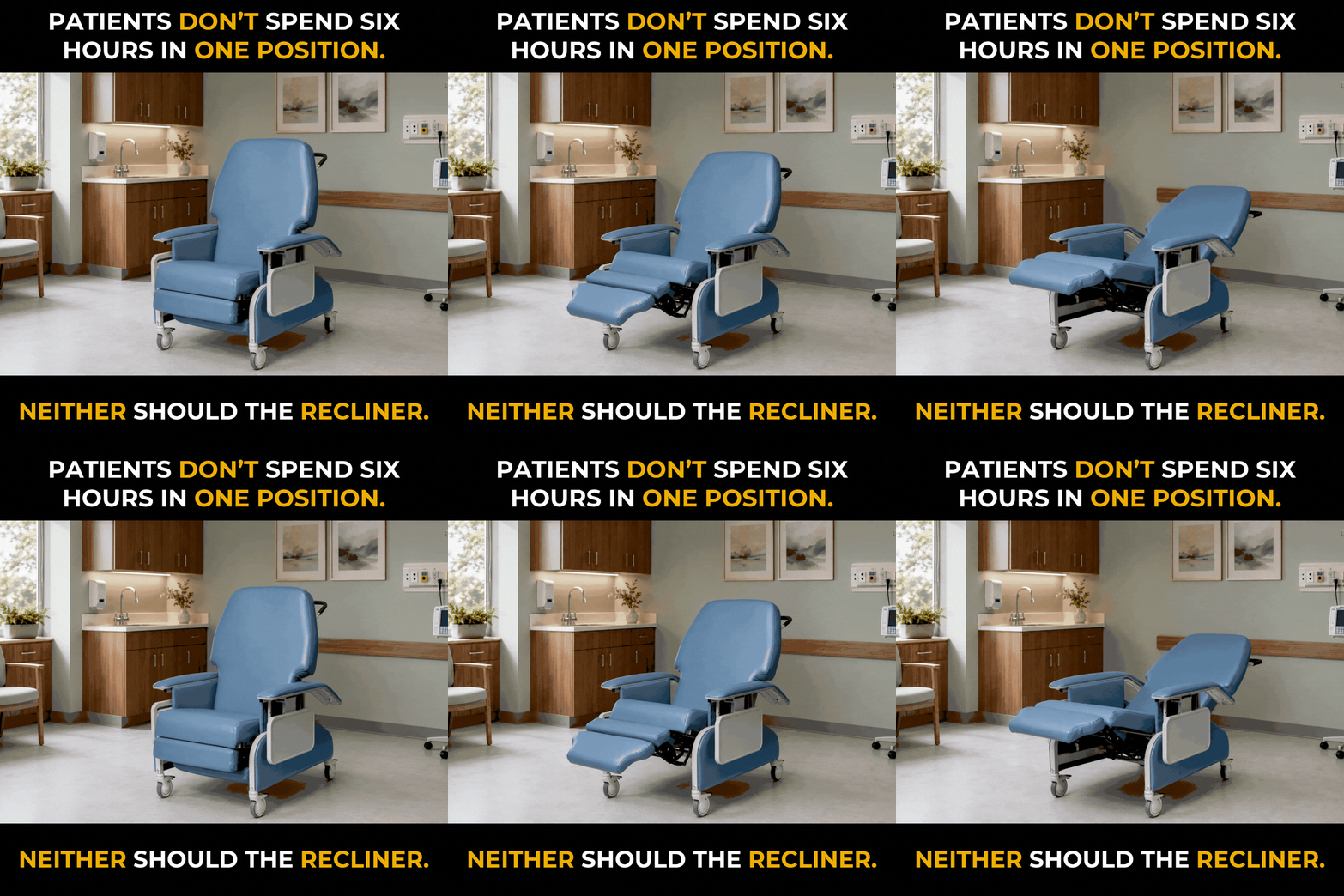
Long-duration care rarely happens in one posture. A patient may begin upright while speaking with a clinician, receiving instructions or starting treatment. Later, a more relaxed position may make reading or using a tablet easier. As time passes, a fuller recline can support rest without requiring the patient to move to another piece of furniture.
The 587 provides three positions intended for patient comfort: upright, first recline and second recline. Intensa describes the first recline as a “TV” position suited to treatment, rest and reading, while the second recline provides a fuller resting position. Patients can reposition the recliner using the armrests and their own body weight, while an attendant can assist from the side using the rear push handle.
This range matters because comfort is not static. The ability to change posture can help a patient respond to fatigue, activity and personal preference during a long appointment. For the designer or specifier, it also means evaluating the full reclined footprint—not only the chair’s upright dimensions—so circulation, equipment access and caregiver movement remain functional in every position.
The 587 also includes a caregiver-activated Trendelenburg, or shock, position. It is a clinical function rather than an additional patient comfort setting, and its rear-mounted activation reinforces an important distinction: a recliner should support patient choice where appropriate while keeping caregiver-controlled functions clearly within the care workflow.
Inclusive Comfort Begins with Usable Space
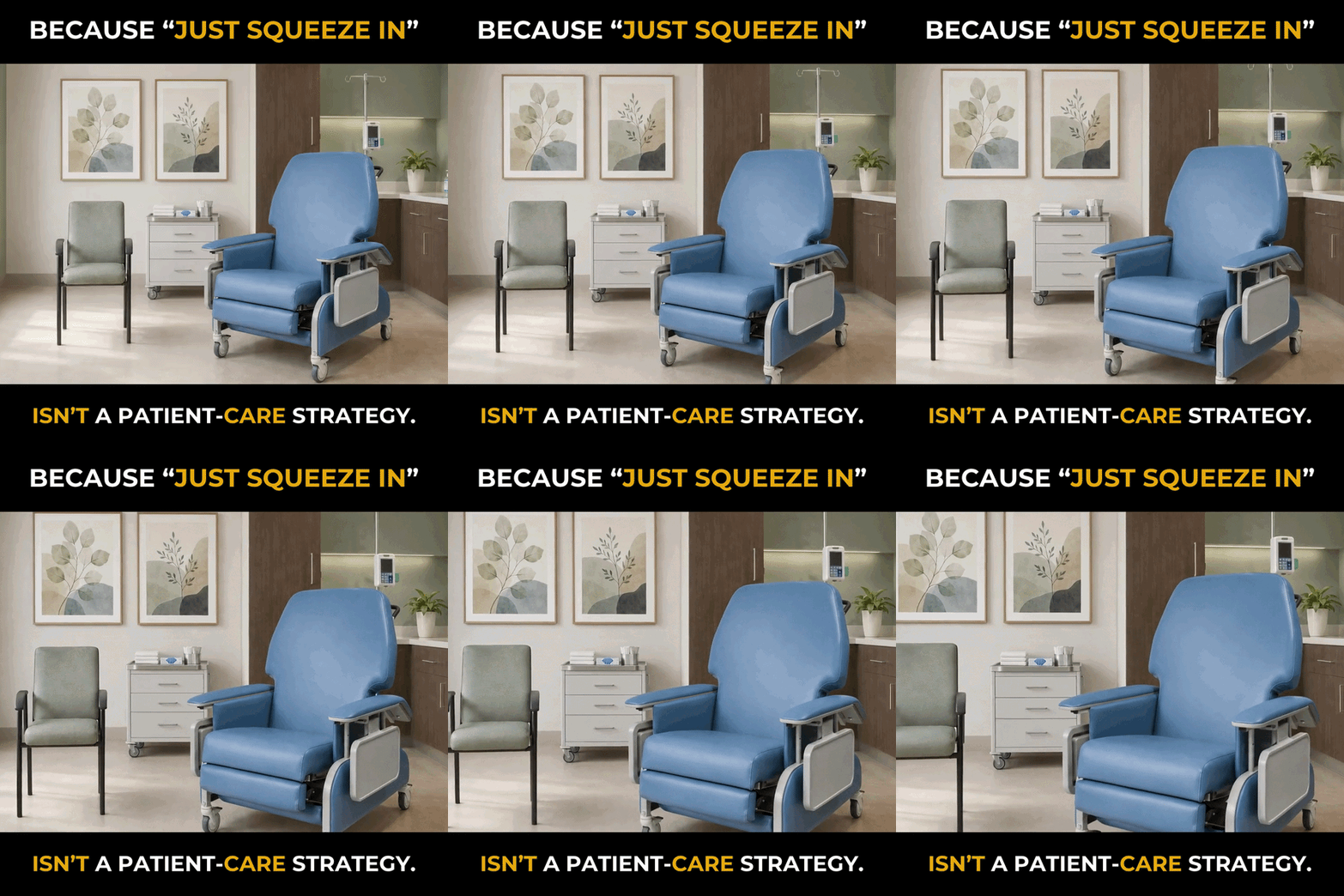
Healthcare interiors serve people with different body types, mobility levels and comfort preferences. Seating that assumes a narrow range of users can create an immediate point of friction, particularly when a patient is already managing discomfort, fatigue or anxiety.
The 587 pairs an extra-wide seat and back with a 450-pound maximum weight capacity when the load is evenly distributed. The purpose of that additional width is not simply to make the chair larger. It gives patients more room to adjust their seated position and helps create a less restrictive experience during extended use.
For specifiers, inclusive seating should be considered at the room-planning stage rather than treated as a late substitution. A wider recliner affects clearances, side-table use, approach paths and the relationship between the patient, caregiver and nearby equipment. The 587WD measures 33 inches overall in width and extends to 71 inches when fully reclined, so the surrounding plan must work with the chair across its complete operating range.
This is where dimensional information becomes an experience issue. Adequate space around the recliner can support dignity for the patient, access for staff and a calmer room overall. The goal is not to call attention to inclusive accommodation. It is to make the environment feel as though different users were considered from the beginning.
The Chair Must Work for the Caregiver, Too
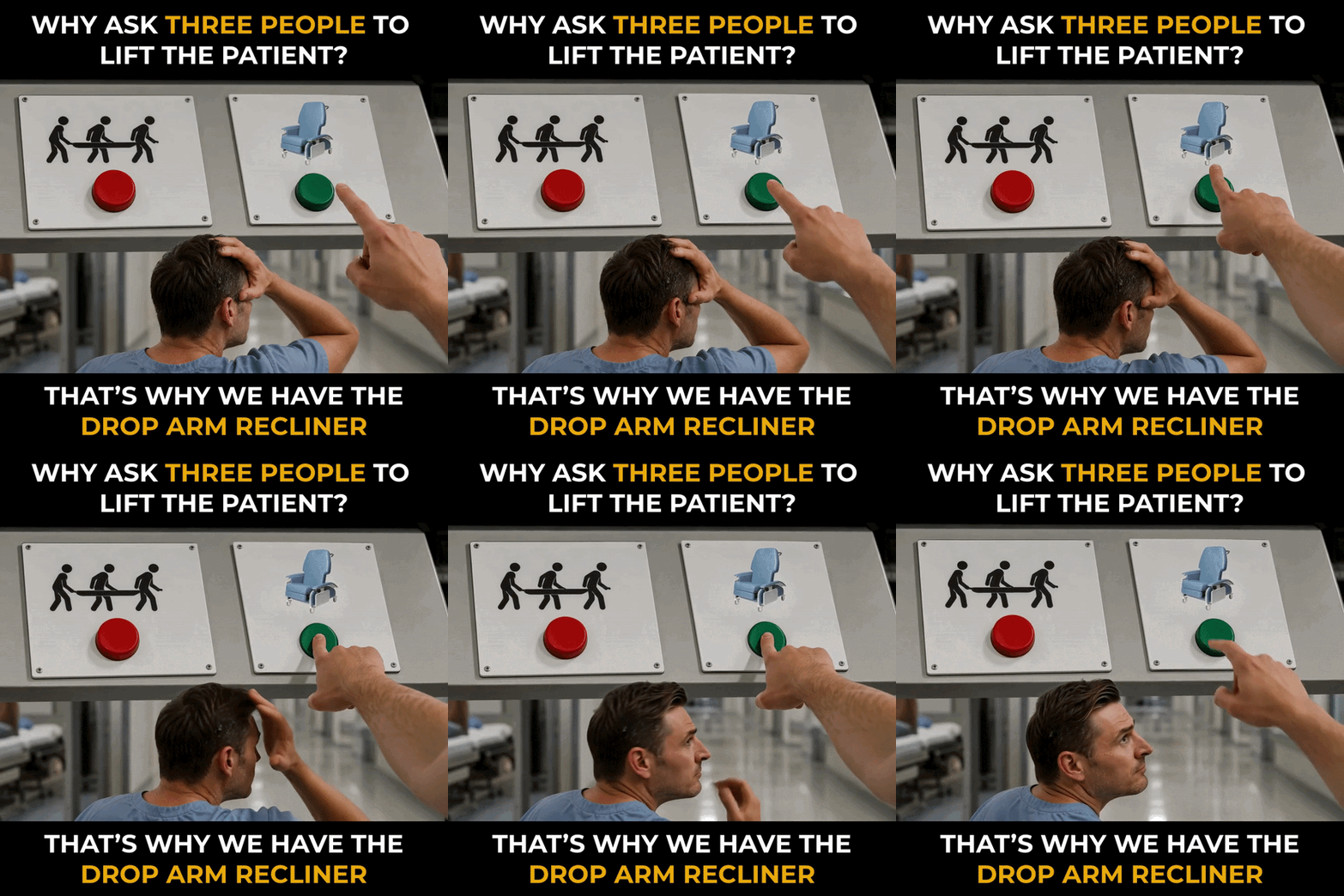
Patient seating is also work equipment. Caregivers may need to position the chair, bring it into alignment with a bed or treatment surface, support a lateral transfer, place supplies within reach or move the patient through a clinical environment. Details that seem secondary in a furniture schedule can become important when those actions are repeated throughout a shift.
On the 587WD, two self-storing drop arms can be lowered to support a safer lateral transfer. Intensa’s instructions emphasize locking the casters, bringing the two surfaces close together and aligning their heights to reduce lifting. The drop arm does not replace proper transfer assessment or procedure, but it removes a physical barrier between the patient and the adjacent surface.
Mobility features support the rest of the workflow. The rear push handle gives the attendant a defined point for transport, while the caster configuration combines three total-locking casters with one directional-locking caster. The directional lock helps the chair track straight when pushed, and the total locks stabilize it when stationary. Two self-storing side tables provide surfaces for personal items or care-related use, then fold away when they are not needed.
Taken together, these features show why healthcare furniture should be evaluated through task sequences, not isolated specifications. The question is not only whether the recliner can move, transfer or hold an item. It is whether each function is accessible at the right moment without creating another obstacle in the room.
Cleanability and Durability Belong in the Design Conversation
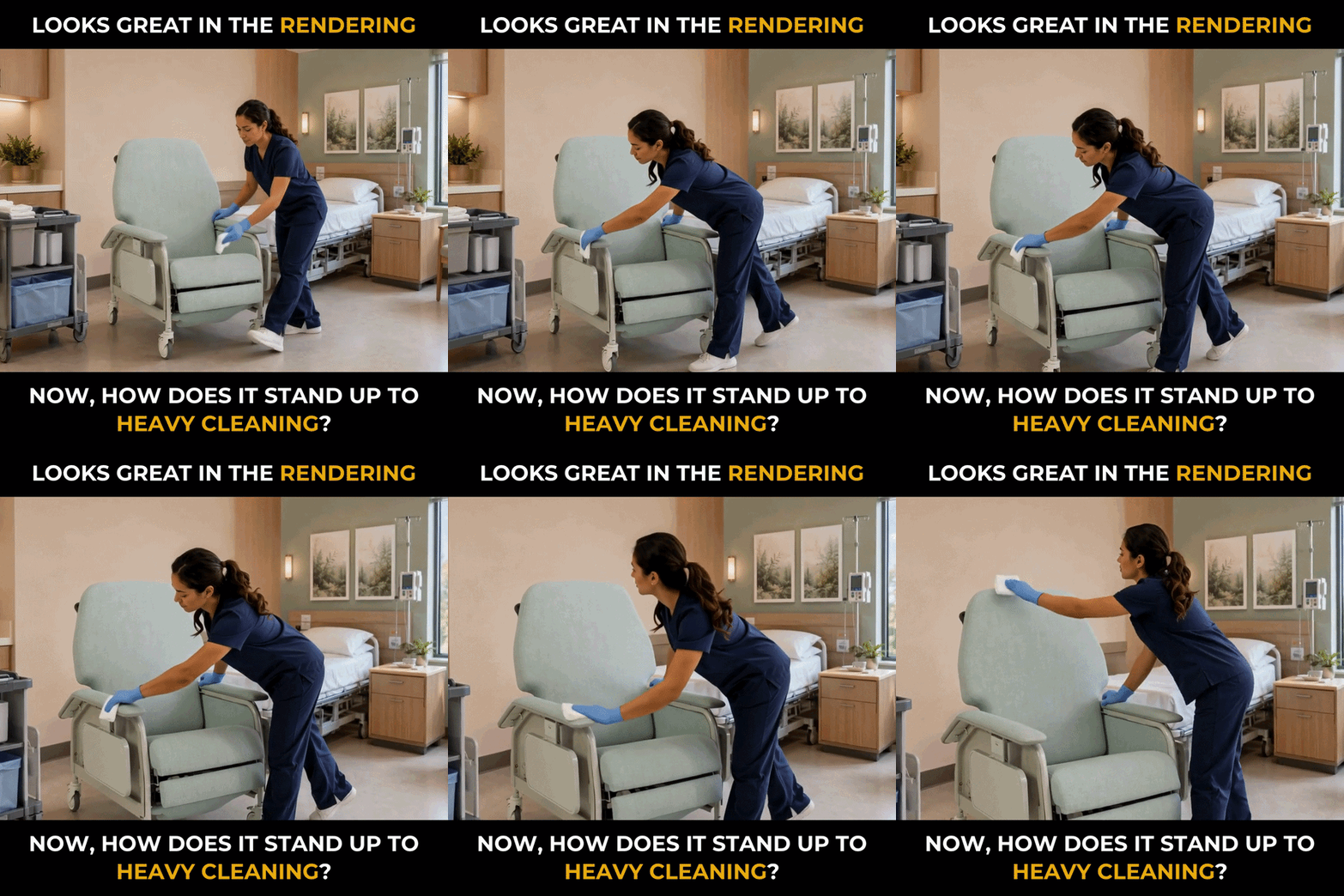
The rendering shows the finished patient room. Daily operations reveal whether the specification can support it. Recliners in clinical environments are touched frequently, moved regularly and cleaned repeatedly, making access and material durability essential parts of performance.
The 587 includes removable side panels that provide access to the side and underside of the recliner for cleaning and maintenance. Its self-storing side tables have smooth surfaces intended for easier cleaning, while the casters are designed for healthcare environments and tolerate a wide range of cleaners and chemicals. These are practical details, but they influence how consistently staff can reach the areas that require attention.
Durability also extends beyond the chair. Wall-saver armrest caps help protect adjacent surfaces from marring as the recliner is moved and repositioned. In a room used repeatedly throughout the day, reducing contact damage can support a more orderly appearance and help limit avoidable maintenance around the furniture.
For designers, this is a reminder to discuss cleaning protocols, approved upholstery and maintenance access before finalizing the specification. The most successful healthcare products do not depend on ideal conditions to perform. They anticipate the routines that follow installation and make those routines more manageable for the people responsible for the space.
What Matters Most
A patient recliner should be evaluated across the entire care experience: the hours a patient may spend in it, the positions they may need, the tasks a caregiver must perform and the cleaning that follows each use.
The Intensa 587 responds with three patient comfort positions, an extra-wide seat and back, caregiver-oriented mobility and transfer features, and components that improve access for cleaning and maintenance. None of these details operates in isolation. Together, they help the recliner adapt as the patient, treatment and room workflow change.
That is the larger specification lesson. Comfort is not just the first impression of a seat. In healthcare, it is the product of thoughtful positioning, adequate space, operational access and dependable performance over time.
If you’re evaluating patient recliners for infusion, dialysis, recovery, acute care or rehabilitation environments, GGG can help you review the 587’s configurations, dimensions, upholstery options and application requirements in relation to your space and care workflow.